
Excerpt: This post answers the questions “What is the name of the bridge over Sukkur Barrage? What the Sukkur Barrage Bridge is called?”
Bridges are marvels of engineering that connect people, places, and economies. They serve as vital links in transportation networks, facilitating the movement of goods and people. One such significant bridge in Pakistan is located over a major barrage, playing a crucial role in the region’s connectivity. This blog post will explore the name of this bridge and provide detailed information about its features and importance.
What is the Name of the Bridge over Sukkur Barrage?
The bridge over the Sukkur Barrage is known as the Lansdowne Bridge. This historic bridge is an iconic structure that spans the Indus River, connecting the city of Sukkur with Rohri in the Sindh province of Pakistan.
The Sukkur Barrage Bridge
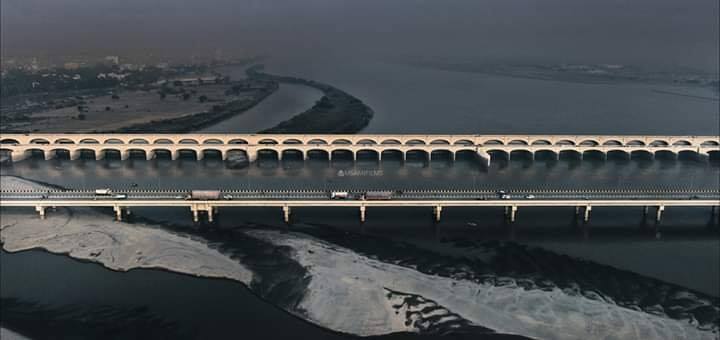
1. Historical Significance
Construction and Inauguration: The Lansdowne Bridge was constructed between 1887 and 1889 during the British colonial era. It was inaugurated by the then Viceroy of India, Lord Lansdowne, after whom the bridge is named. The bridge was designed by Sir Alexander Rendel and fabricated by Westwood, Baillie & Co. of London.
Engineering Marvel: At the time of its completion, the Lansdowne Bridge was considered an engineering marvel. It was one of the longest cantilever bridges in the world, showcasing advanced engineering techniques and materials of the late 19th century. The bridge’s construction involved innovative methods, including the use of steel trusses and cantilever arms.
2. Structural Details
Design and Architecture: The Lansdowne Bridge is a cantilever truss bridge, characterized by its large steel trusses and cantilever arms that extend from the piers to support the central span. The bridge has a total length of approximately 1,140 feet (347 meters) and a width of 22 feet (6.7 meters). The central span of the bridge is 790 feet (240 meters) long, making it one of the longest spans of its kind at the time of construction.
Materials and Construction: The bridge is constructed using high-quality steel, which was fabricated in England and transported to India for assembly. The construction process involved the use of advanced techniques, such as the erection of cantilever arms without the need for falsework (temporary supports). The bridge’s design and construction set a benchmark for future bridge engineering projects.
3. Importance and Impact
Transportation and Connectivity: The Lansdowne Bridge plays a crucial role in facilitating transportation and connectivity in the region. It serves as a vital link between the cities of Sukkur and Rohri, enabling the movement of goods and people across the Indus River. The bridge is an essential component of the region’s transportation network, supporting economic activities and trade.
Cultural and Heritage Value: The Lansdowne Bridge is an iconic landmark with significant cultural and heritage value. It stands as a testament to the engineering prowess of the late 19th century and the historical legacy of British colonial rule in the Indian subcontinent. The bridge is a source of pride for the local communities and a popular tourist attraction.
4. Maintenance and Conservation
Regular Maintenance: Maintaining a historic structure like the Lansdowne Bridge requires regular inspections and repairs. The bridge’s steel components are susceptible to corrosion and wear, necessitating periodic maintenance to ensure its structural integrity and safety.
Conservation Efforts: Efforts are made to conserve and preserve the Lansdowne Bridge as a heritage structure. The bridge’s historical significance and architectural value make it an important cultural asset that needs to be protected for future generations. Conservation initiatives include documentation, restoration, and awareness campaigns to highlight the bridge’s importance.
Future Prospects: The Lansdowne Bridge continues to serve as a vital transportation link, but there are ongoing discussions about the need for additional infrastructure to support the growing traffic demands in the region. Future projects may include the construction of new bridges or the expansion of existing transportation networks to complement the Lansdowne Bridge.
In conclusion, the Lansdowne Bridge, spanning the Sukkur Barrage, is an iconic structure that has played a vital role in the region’s transportation and connectivity for over a century. Named after Lord Lansdowne, this historic cantilever truss bridge is a marvel of engineering and a symbol of cultural heritage. The bridge’s significance extends beyond its functional role, serving as a testament to the ingenuity of its designers and builders. As efforts continue to preserve and maintain this valuable heritage structure, the Lansdowne Bridge remains a cornerstone of Pakistan’s transportation network and a source of pride for its people.
Source: To ensure the accuracy and authenticity of the information provided, the following sources were referenced:
- Lansdowne Bridge, Sukkur – Wikipedia
- Historical Significance of the Lansdowne Bridge – Sindh Cultural Heritage Department
- Sukkur Barrage – Sindh Irrigation Department