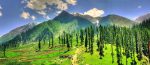
Excerpt: This post answers the questions “What is Pakistan’s national tree? Which is the national tree of Pakistan? What is the name of national tree of Pakistan?”
National symbols are a source of pride and identity for any country. They represent the unique natural beauty, cultural heritage, and values that define a nation. Among these symbols, the national tree holds a special place as it embodies the ecological richness and biodiversity of the land. Trees, with their enduring presence and vital role in the ecosystem, are a testament to a nation’s commitment to preserving its natural environment. Pakistan, a country blessed with diverse landscapes and flora, has a national tree that reflects its environmental significance and cultural heritage.
What is Pakistan’s National Tree?
The Majestic Deodar Cedar
The national tree of Pakistan is the Deodar Cedar (Cedrus deodara), locally known as “Devdar.” This majestic tree is native to the western Himalayas and is revered for its grandeur, resilience, and ecological importance. It can reach up to the height of 200 feet. The name Deodar has been derived from its Sanskrit origin, devadāru, which means tree of god. For this reason, the tree has always been remained sacred to the locals. The Deodar Cedar holds a special place in the hearts of Pakistanis and is a symbol of strength and endurance.

Appearance and Characteristics
The Deodar Cedar is a tall, evergreen tree that can reach heights of up to 50 meters (165 feet). It has a distinctive conical shape with a broad, spreading crown. The tree’s branches are densely covered with needle-like leaves that range in color from bright green to blue-green. The bark of the Deodar Cedar is thick and rough, providing protection against harsh weather conditions.
One of the most striking features of the Deodar Cedar is its aromatic wood, which has a pleasant, cedar-like fragrance. This wood is highly durable and resistant to decay, making it a valuable resource for construction and woodworking. The tree’s cones are also notable, with male cones producing pollen and female cones developing into seeds.
Habitat and Distribution
The Deodar Cedar is primarily found in the mountainous regions of northern Pakistan, particularly in areas such as Gilgit-Baltistan, Khyber Pakhtunkhwa, and Azad Kashmir. These regions provide the ideal habitat for the Deodar Cedar, with their cool climate, high altitude, and well-drained soil.
The tree thrives in mixed coniferous forests, often growing alongside other tree species such as pine, spruce, and fir. The Deodar Cedar is well-adapted to the harsh conditions of its mountainous habitat, including heavy snowfall, strong winds, and fluctuating temperatures.
Ecological Importance
The Deodar Cedar plays a crucial role in maintaining the ecological balance of its habitat. As a keystone species, it provides essential services to the environment and supports a diverse range of wildlife. The tree’s dense canopy offers shelter and nesting sites for various bird species, while its fallen needles create a rich layer of organic matter that enriches the soil.
The Deodar Cedar also helps prevent soil erosion and stabilizes slopes in mountainous regions. Its extensive root system anchors the soil, reducing the risk of landslides and protecting watersheds. Additionally, the tree contributes to the regulation of water cycles by capturing and releasing moisture, maintaining the overall health of the ecosystem.
Cultural and Historical Significance
The Deodar Cedar holds deep cultural and historical significance in Pakistan. It is often associated with spiritual and religious traditions, particularly in the Hindu and Buddhist cultures. The name “Deodar” is derived from the Sanskrit words “Deva” (god) and “Dar” (tree), meaning “tree of the gods.” This name reflects the tree’s revered status and its association with sacred groves and temples.
Throughout history, the Deodar Cedar has been used for various purposes, including construction, medicine, and traditional crafts. Its durable wood has been used to build temples, bridges, and homes, while its fragrant oil has been used in traditional medicine and aromatherapy. The tree’s cultural significance is also evident in folklore and literature, where it is often depicted as a symbol of strength, resilience, and endurance.
Conservation Efforts
The conservation of the Deodar Cedar is essential for preserving its ecological and cultural heritage. In Pakistan, efforts have been made to protect and conserve this iconic tree through various initiatives and programs. Protected areas and national parks have been established to safeguard the natural habitats of the Deodar Cedar and promote sustainable forestry practices.
Reforestation and afforestation programs have also been implemented to restore degraded areas and increase the population of Deodar Cedars. Community-based conservation efforts involve local communities in the protection and management of forests, raising awareness about the importance of preserving this national symbol.
The Role of the Deodar Cedar in Modern Pakistan
In modern Pakistan, the Deodar Cedar continues to be a symbol of national pride and environmental stewardship. It is featured in various forms of art, literature, and cultural expressions, reflecting its enduring significance. The tree’s presence in national parks and protected areas attracts tourists and nature enthusiasts, contributing to the promotion of eco-tourism and environmental awareness.
The Deodar Cedar also plays a role in education and research, providing opportunities for scientists and students to study its ecological and cultural importance. By preserving and celebrating the Deodar Cedar, Pakistan can continue to promote sustainable development and environmental conservation for future generations.
The Deodar Cedar, as Pakistan’s national tree, is a symbol of the country’s rich natural heritage and cultural legacy. Its majestic appearance, ecological importance, and historical significance make it a source of pride for the nation. As Pakistan continues to protect and conserve this iconic tree, the Deodar Cedar remains a living testament to the country’s commitment to preserving its environment and cultural heritage. By valuing and safeguarding this national symbol, Pakistan can ensure that the Deodar Cedar continues to inspire and thrive for generations to come.
Source: To ensure the accuracy and authenticity of the information provided, the following sources were referenced:
- National Symbols of Pakistan – Wikipedia