Excerpt: This post answers the questions “On which river is Mangla Dam? Which river is home to Mangla Dam? Which river does Mangla Dam sit on?”
Dams are essential structures that contribute to the development and prosperity of any country. They provide water for irrigation, generate electricity, and help control floods. One such significant dam in Pakistan is located on a major river, playing a vital role in the country’s water management and energy production. This blog post will explore the river on which this dam is situated and provide detailed information about the river itself.
On Which River is Mangla Dam?
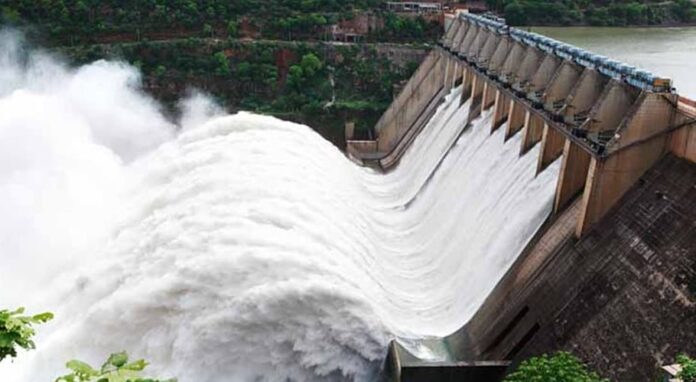
Mangla Dam is located on the Jhelum River. The Jhelum River is one of the major rivers in the northern regions of Pakistan and plays a crucial role in the country’s water resources.
The Jhelum River
1. Overview of Jhelum River
Origin and Course: The Jhelum River originates from a spring called Verinag, situated in the Indian-administered territory of Jammu and Kashmir. It flows through the Kashmir Valley, entering Pakistan-administered Kashmir, and eventually joins the Chenab River. The river has a total length of approximately 725 kilometers.
Geographical Significance: The Jhelum River traverses through picturesque valleys and mountainous regions, contributing to the stunning landscapes of the Kashmir Valley. It serves as a vital source of water for both domestic and agricultural purposes in the regions it flows through.
2. Historical and Cultural Importance
Ancient History: The Jhelum River has been historically significant for centuries. It is believed to be the Hydaspes River mentioned in ancient texts, where the famous Battle of Hydaspes between Alexander the Great and King Porus took place in 326 BC. The river’s historical significance adds to its cultural importance in the region.
Cultural Significance: The Jhelum River holds cultural and religious importance for the people living in its vicinity. It is considered sacred by Hindus and has been a source of inspiration for poets, writers, and artists throughout history. The river’s beauty and significance have been celebrated in various literary works.
3. Economic and Environmental Impact
Irrigation and Agriculture: The Jhelum River is a lifeline for agriculture in the regions it flows through. It provides water for irrigation, supporting the cultivation of crops such as wheat, rice, and maize. The river’s water is channeled through various canals and distributaries to irrigate vast tracts of farmland.
Hydroelectric Power Generation: Mangla Dam, situated on the Jhelum River, is one of the largest dams in Pakistan. It has an installed capacity of 1,150 megawatts, making it a significant source of hydroelectric power for the country. The electricity generated by the dam contributes to the national grid, supporting the country’s energy needs.
Environmental Impact: The Jhelum River supports diverse ecosystems and provides habitats for various species of flora and fauna. It plays a crucial role in maintaining the ecological balance in the regions it flows through. Efforts are made to ensure sustainable management of the river’s water resources to protect the environment.
4. Challenges and Future Prospects
Water Scarcity: The Jhelum River, like many other rivers in the region, faces challenges related to water scarcity. Climate change, population growth, and increasing water demand pose threats to the river’s water resources. Sustainable water management practices are essential to address these challenges.
Pollution: Industrial and domestic pollution affects the water quality of the Jhelum River. Efforts are needed to reduce pollution levels and ensure the river’s water remains safe for consumption and irrigation. Public awareness and stricter regulations can help mitigate pollution.
Future Projects: Several projects are underway to enhance the management and utilization of the Jhelum River’s water resources. These projects aim to improve irrigation systems, increase hydroelectric power generation, and ensure the sustainable use of water for various purposes.
In conclusion, Mangla Dam is situated on the Jhelum River, a river of great historical, cultural, and economic significance in Pakistan. The Jhelum River provides essential water resources for irrigation, hydroelectric power generation, and domestic use. Despite facing challenges such as water scarcity and pollution, the river continues to play a vital role in the region’s development and prosperity. Sustainable management and conservation efforts are crucial to ensuring the Jhelum River remains a lifeline for future generations.
Source: To ensure the accuracy and authenticity of the information provided, the following sources were referenced:
- Mangla Dam | Indus River, Hydroelectricity, Reservoir – Britannica
- Mangla Dam – Wikipedia
- History of Mangla Dam – Water & Power Development Authority