Excerpt: This post answers the questions “On which river is Jinnah Barrage? Which river is the Jinnah Barrage built on? The Jinnah Barrage is situated on which river?”
Water management and irrigation infrastructure are critical components of Pakistan’s agricultural sector. The country’s extensive network of rivers and barrages plays a vital role in ensuring that water reaches the fields and communities that depend on it. One of the key structures in this network is the Jinnah Barrage, an important barrage with a rich history and significant impact on the region.
On which river is Jinnah Barrage?
The Jinnah Barrage is located on the Indus River, one of the longest and most important rivers in the world. The Indus River originates from the Tibetan Plateau and flows through China, India, and Pakistan before emptying into the Arabian Sea. The river is essential for Pakistan’s water supply, supporting agriculture, industry, and daily life for millions of people.
Location and Construction
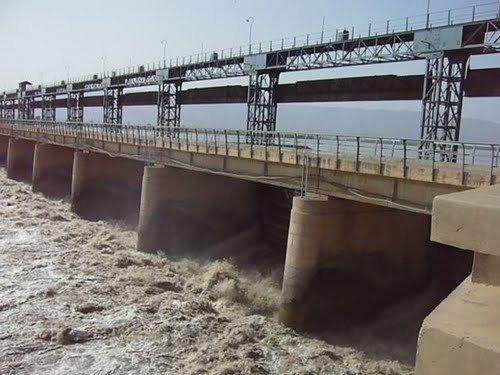
The Jinnah Barrage is situated near the town of Kalabagh in the Mianwali District of Punjab, Pakistan. It was constructed in 1946, during the British colonial era, and is named after Muhammad Ali Jinnah, the founder of Pakistan. The barrage was built to regulate the flow of the Indus River and to provide water for irrigation to the surrounding areas.
Purpose and Function
The primary purpose of the Jinnah Barrage is to divert water from the Indus River into a network of canals that irrigate the agricultural lands of Punjab and Khyber Pakhtunkhwa provinces. The barrage also helps in controlling the flow of water to prevent flooding during the monsoon season. By regulating the river’s flow, the Jinnah Barrage ensures a stable and reliable supply of water for irrigation, which is crucial for the agricultural productivity of the region.
A Complete Note on Jinnah Barrage
Historical Significance
The construction of the Jinnah Barrage in 1946 marked a significant milestone in the development of Pakistan’s irrigation infrastructure. It was one of the major projects undertaken to harness the water resources of the Indus River system. The barrage played a crucial role in transforming the arid and semi-arid regions of Punjab into fertile agricultural lands, contributing to the country’s food security and economic growth.
Technical Specifications
The Jinnah Barrage is an impressive engineering feat, with a total length of 1,307 meters. It comprises 42 bays, each equipped with a gate to control the flow of water. The barrage has a maximum discharge capacity of 950,000 cubic feet per second (cusecs), making it one of the largest barrages on the Indus River. The structure is designed to withstand the immense pressure of the river’s flow, ensuring its stability and functionality.
Irrigation and Water Management
The Jinnah Barrage plays a pivotal role in Pakistan’s irrigation system. The water diverted from the barrage feeds into several major canals, including the Thal Canal and the Dera Ismail Khan Canal. These canals irrigate vast expanses of agricultural land, supporting the cultivation of crops such as wheat, rice, sugarcane, and cotton. The reliable supply of water provided by the barrage has enabled farmers to achieve higher yields and improve their livelihoods.
Impact on Local Communities
The Jinnah Barrage has had a profound impact on the lives of the people living in its vicinity. The availability of water for irrigation has led to increased agricultural production, creating employment opportunities and contributing to the overall economic development of the region. Additionally, the barrage has helped mitigate the effects of droughts and floods, ensuring a more stable and secure environment for the local communities.
Where is Jinnah Barrage located?
The Jinnah Barrage is located on the River Indus near Kalabagh in the Mianwali District of Punjab, Pakistan. It is part of the Thal Project, which helps irrigate a vast area in the Sindh Sagar Doab east of the Indus. The barrage was constructed between 1939 and 1946 and plays a crucial role in water management and irrigation in the region.
In conclusion, the Jinnah Barrage, located on the Indus River, is a vital piece of infrastructure that has significantly contributed to Pakistan’s agricultural and economic development. Built in 1946, the barrage continues to play a crucial role in regulating the flow of the Indus River and providing water for irrigation to the surrounding regions. The Jinnah Barrage stands as a testament to the importance of effective water management and the enduring legacy of the country’s efforts to harness its natural resources for the benefit of its people.
Source: To ensure the accuracy and authenticity of the information provided, the following sources were referenced:
- Jinnah Barrage – Wikipedia
- Jinnah Barrage | hydrology project, Pakistan – Britannica