Excerpt: This post answers the questions “Who gave Peshawar the name Peshawar? How did the city of Peshawar get its name? What is the origin of the name Peshawar? Which historical figure gave Peshawar its current name?”
Peshawar, a city steeped in history and culture, stands as a testament to the rich heritage of the region. Known for its strategic location and vibrant markets, Peshawar has played a significant role in the history of South Asia. As one of the oldest cities in the region, its name carries a story that dates back centuries. But how did Peshawar get its name?
Who Gave Peshawar the Name Peshawar?
The name “Peshawar” was given by the Mughal emperor Akbar. Originally, the city was known as “Purusapura,” which translates to “City of Men” in Sanskrit. This ancient name reflects the city’s long history, which dates back to the time of the Gandhara civilization.
During the Mughal era, the city underwent significant changes. Akbar, known for his administrative reforms and efforts to consolidate the Mughal Empire, renamed the city to “Peshawar.” The new name, meaning “The Place at the Frontier,” highlighted Peshawar’s strategic importance as a gateway to Central Asia. This renaming was part of Akbar’s broader efforts to integrate diverse regions into the Mughal Empire, fostering a sense of unity and cultural coherence.
The Significance of the Name
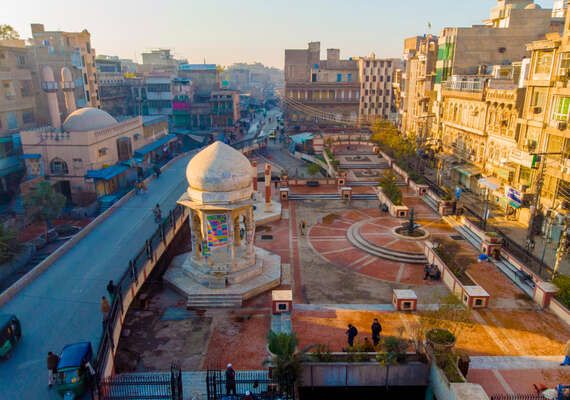
The renaming of Peshawar was not just a symbolic gesture. It underscored the city’s role as a crucial military and trade hub. Located at the crossroads of various ancient trade routes, Peshawar served as a link between the Indian subcontinent and Central Asia. The name “Peshawar” thus reflected its position as a frontier city, guarding the empire’s western borders and facilitating trade and cultural exchange.
The History and Significance of Peshawar
Ancient Roots
Peshawar’s history dates back to ancient times when it was a part of the Gandhara civilization. Archaeological evidence suggests that the region has been inhabited for thousands of years. The city has witnessed the rise and fall of various empires, including the Maurya, Kushan, and Gupta dynasties. Each of these periods left its mark on Peshawar, contributing to its rich cultural tapestry.
Buddhist Influence
During the Kushan period, Peshawar became a center of Buddhist learning and culture. The city was home to numerous monasteries, stupas, and universities. One of the most famous relics from this period is the Kanishka Stupa, which was built by the Kushan emperor Kanishka. The stupa was considered one of the tallest buildings in the ancient world and attracted pilgrims from across Asia.
Islamic Era
With the arrival of Islam in the region, Peshawar continued to thrive as a cultural and economic hub. The city’s strategic location made it an important center for trade and military activities. Over the centuries, Peshawar came under the rule of various Islamic empires, including the Ghaznavids, Ghurids, and Delhi Sultanate. Each of these periods added new layers to the city’s history and culture.
Mughal Influence
The Mughal era marked a significant turning point in Peshawar’s history. Under Akbar’s rule, the city underwent extensive development and became a key administrative center. The renaming of the city to “Peshawar” reflected the Mughal emphasis on order and integration. The Mughals built numerous architectural marvels in the city, including mosques, forts, and gardens, many of which still stand today.
Modern Era
In the modern era, Peshawar has continued to grow and evolve. The city played a crucial role during the British colonial period, serving as a major military and administrative center. After the partition of India in 1947, Peshawar became a part of Pakistan. Today, it is the capital of Khyber Pakhtunkhwa province and remains an important cultural, economic, and political hub.
Peshawar’s journey from “Purusapura” to “Peshawar” is a testament to its enduring significance in the history of South Asia. The city’s name, given by the Mughal emperor Akbar, reflects its strategic importance and rich heritage. Over the centuries, Peshawar has been a melting pot of cultures, religions, and civilizations, each leaving its mark on the city’s identity.
As we look to the future, Peshawar’s legacy as a frontier city and cultural crossroads will continue to shape its path. The city’s history is a reminder of the enduring spirit of its people and the diverse influences that have contributed to its rich tapestry.
Source: To ensure the accuracy and authenticity of the information provided, the following sources were referenced:
- Peshawar – Wikipedia