

Excerpt: This post answers the questions “Who changed the name of NWFP? When was the name of NWFP changed? Why the name of NWFP was changed?”
The North-West Frontier Province (NWFP) in Pakistan has a rich history that reflects its unique geographical and cultural significance. As one of the regions that played a crucial role during the British colonial period, its name represented its position as the northwestern frontier of British India. However, this name was eventually changed to better reflect the identity and heritage of its people. This transformation from NWFP to a new name was not just a simple renaming but a significant decision that honored the local identity and history.
The Historical Significance of NWFP
The North-West Frontier Province (NWFP) was established by the British in 1901, during their colonial rule in India. The region served as a strategic buffer zone between British India and Afghanistan. The British administration divided the area into districts and established a separate governance structure to manage the tribal areas and settle disputes.
Despite its strategic importance, the region was home to a diverse population, including a significant number of Pashtuns. The cultural richness of the region often took a back seat to its strategic value in the eyes of the British rulers.
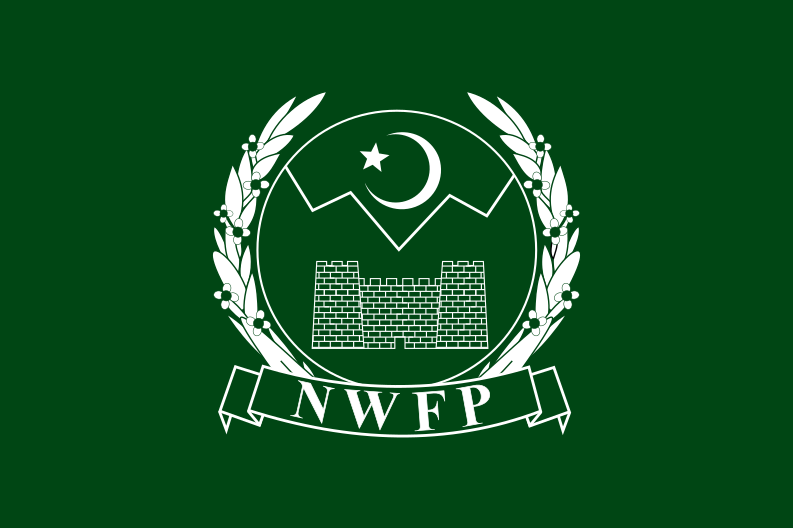
The Political Landscape Before the Change
After Pakistan gained independence in 1947, NWFP became one of its provinces. Over the years, the province saw various political movements, including demands for greater autonomy and recognition of the unique cultural identity of its people.
One of the prominent political forces in the region was the Awami National Party (ANP), which advocated for the rights of the Pashtun people and pushed for the recognition of their cultural identity. The ANP played a crucial role in the movement to change the name of NWFP to something that would better reflect the heritage and identity of the region.
Who Changed the Name of NWFP?
The name change from NWFP to Khyber Pakhtunkhwa was a significant political decision made by the government of Pakistan. The name was changed from NWFP to Khyber Pakhtunkhwa on the demand of Awami National Party (ANP) and other stack holders. The name was changed from NWFP to Khyber Pakhtunkhwa on 19 April 2010, through 18th Constitutional Amendment by the then President of Pakistan, Asif Ali Zardari.
The 18th Amendment aimed to decentralize power, enhance provincial autonomy, and address various longstanding issues. Among the many provisions of the amendment was the renaming of NWFP to Khyber Pakhtunkhwa. The name “Khyber Pakhtunkhwa” was chosen to honor the Khyber Pass, a historic and strategic mountain pass, and the Pakhtunkhwa, which means “land of the Pashtuns.”
The Significance of the New Name
The name change to Khyber Pakhtunkhwa was not merely a symbolic gesture but carried deep cultural and historical significance. It recognized the Pashtun heritage and identity of the region’s people. The name “Khyber Pakhtunkhwa” reflects the region’s historical importance as a gateway between South Asia and Central Asia, as well as the cultural pride of the Pashtun people.
The decision to change the name was widely celebrated by many in the region, especially those who had long advocated for the recognition of their cultural identity. However, it also faced some opposition from those who felt that the new name might create divisions or exclude other ethnic groups in the province.
The Impact of the Name Change
The renaming of NWFP to Khyber Pakhtunkhwa has had a lasting impact on the region. It has helped to foster a sense of pride and identity among the Pashtun population and has highlighted the cultural and historical significance of the area. The name change has also contributed to greater provincial autonomy and recognition of the diverse cultural landscape of Pakistan.
In conclusion, the transformation from NWFP to Khyber Pakhtunkhwa was a significant milestone in the region’s history. It was a decision that honored the cultural heritage of the Pashtun people and recognized the historical importance of the region. The story of this name change is a reflection of the evolving political and cultural dynamics in Pakistan and serves as a reminder of the importance of acknowledging and celebrating the diverse identities within a nation.
Source: To ensure the accuracy and authenticity of the information provided, the following sources were referenced:
- Khyber Pakhtunkhwa – Wikipedia

