Excerpt: This post answers the questions “Which is the second largest city of Khyber Pakhtunkhwa (KPK)? What is the second largest city of Khyber Pakhtunkhwa?”
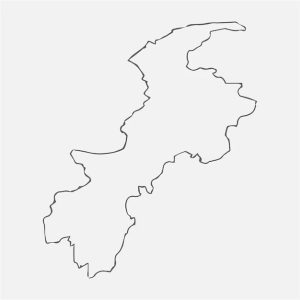
Khyber Pakhtunkhwa (KPK) is a province in northwestern Pakistan known for its captivating landscapes, rich culture, and vibrant cities. This region, with its majestic mountains and bustling urban centers, holds many gems. While the largest city often gets the spotlight, the second largest city in KPK is equally important and plays a significant role in the province’s economic, cultural, and social fabric. In this blog post, we’ll explore which city is the second largest in KPK and uncover the attributes that make it stand out.
Which is the second largest city of Khyber Pakhtunkhwa (KPK)?
Mardan, a city located in the heart of Khyber Pakhtunkhwa, holds the title of the second largest city in the province. With a population of 368,302 this dynamic city is renowned for its historical significance, thriving economy, and rich cultural heritage. Let’s delve deeper into what makes Mardan an essential and fascinating city in KPK.
Historical Significance
Mardan boasts a rich history that dates back thousands of years, making it a city of great historical importance. The city is home to several ancient archaeological sites that reflect the region’s glorious past. One of the most significant historical landmarks in Mardan is the Takht-i-Bahi, an ancient Buddhist monastic complex that dates back to the 1st century CE. This UNESCO World Heritage Site is a testament to the city’s historical and cultural heritage, attracting historians, archaeologists, and tourists from around the world.
The region around Mardan has been a melting pot of various civilizations, including the Gandhara, Persian, and Mughal empires. The remnants of these civilizations can be seen in the city’s historical sites, ancient ruins, and traditional architecture, offering a glimpse into its rich and diverse past.
Economic Hub
As the second largest city in Khyber Pakhtunkhwa, Mardan serves as a major economic hub for the province. The city’s strategic location and well-developed infrastructure make it a center for trade and commerce. Mardan’s bustling markets and bazaars, such as the Mardan City Market and Sheikh Maltoon Town, are known for their vibrant atmosphere and diverse array of goods, ranging from traditional handicrafts to modern merchandise.
Mardan’s economy is supported by various industries, including agriculture, textiles, and manufacturing. The fertile lands of the region are ideal for cultivating crops such as wheat, sugarcane, and tobacco, contributing to the city’s agricultural output. Additionally, the city’s textile industry is well-developed, with numerous mills and factories producing high-quality fabrics and garments.
Cultural and Social Hub
Mardan is a cultural melting pot, with a diverse population that includes Pashtuns, Hindkowans, and other ethnic groups. This cultural diversity is reflected in the city’s festivals, traditions, and cuisine. Mardan is known for its delicious food, with dishes such as chapli kebabs, seekh kebabs, and traditional Peshawari naan being local favorites.
The city’s cultural institutions, such as the Bacha Khan Center and the Mardan Museum, play a crucial role in preserving and promoting the region’s heritage. The Mardan Museum houses an impressive collection of artifacts, including Gandhara sculptures, ancient coins, and traditional clothing, offering visitors a glimpse into the rich history and culture of the region.
Educational Center
Mardan is a significant educational center in Khyber Pakhtunkhwa, with a range of educational institutions that cater to students from primary to higher education levels. The city is home to several reputable schools and colleges, providing quality education to the residents of the region.
One of the prominent educational institutions in Mardan is the Abdul Wali Khan University, which offers a variety of undergraduate and postgraduate programs. The university plays a vital role in the academic and intellectual growth of the region, contributing to the development of a knowledgeable and skilled workforce.
Healthcare Facilities
Mardan is equipped with a comprehensive healthcare infrastructure, providing a wide range of medical services to residents and visitors. The city’s healthcare facilities include hospitals, clinics, and medical centers that cater to various healthcare needs. Notable healthcare institutions in Mardan include the Mardan Medical Complex and the District Headquarters Hospital.
These hospitals are staffed by skilled medical professionals and equipped with modern medical technology, ensuring that patients receive high-quality care. Mardan’s healthcare system continues to evolve, with ongoing efforts to enhance medical services and facilities in the city.
Modern Development and Infrastructure
Mardan has witnessed significant development in recent years, with various infrastructure projects aimed at improving the city’s urban landscape and connectivity. The construction of new roads, bridges, and commercial complexes is contributing to the city’s growth and modernization.
Additionally, ongoing development initiatives, such as the construction of residential schemes and the expansion of public facilities, are enhancing the quality of life for Mardan’s residents. These developments not only improve the city’s infrastructure but also attract investment and promote economic growth.
Mardan, the second largest city in Khyber Pakhtunkhwa, is a city of historical significance, economic vitality, and cultural diversity. Its rich heritage, vibrant economy, and thriving educational and healthcare sectors make it a central hub in the province. As Mardan continues to grow and develop, it remains a beacon of Khyber Pakhtunkhwa’s past, present, and future. Whether you’re exploring its historical sites, savoring its culinary delights, or experiencing its dynamic urban landscape, Mardan offers a unique and enriching experience that captures the essence of Khyber Pakhtunkhwa.
Source: To ensure the accuracy and authenticity of the information provided, the following sources were referenced:
- Mardan – Wikipedia