

Excerpt: This post answers the questions “Which is the only Subtropical Desert of Asia located in Pakistan? Which is the only Subtropical Desert located in Pakistan? Which is the only Subtropical Desert of Asia Pakistan?”
Imagine a vast, dry expanse where the sun blazes down, creating an environment that’s as mesmerizing as it is challenging. This landscape is home to unique flora and fauna that have adapted to thrive in its arid conditions. Pakistan is home to such a captivating desert, which holds the distinction of being the only subtropical desert in Asia.
Which is the Only Subtropical Desert of Asia Located in Pakistan?
The Thar Desert, also known as the Great Indian Desert, is the only subtropical desert of Asia located in Pakistan. This immense desert spans southeastern Pakistan and extends into India, covering an area of approximately 200,000 square kilometers. The desert is known for its golden sand dunes, harsh climate, and vibrant cultural heritage.
What is a Subtropical Desert?
A subtropical desert is a type of desert found in subtropical regions, characterized by high temperatures and low precipitation. These deserts typically have hot summers and mild to warm winters. They receive very little rainfall, making them some of the driest places on Earth. Subtropical deserts are usually found between 15 and 30 degrees latitude, both north and south of the equator.
The flora and fauna in subtropical deserts have adapted to survive the extreme conditions. Plants in these regions often have deep root systems, thick leaves, and the ability to store water. Animals have developed various survival strategies, such as being nocturnal to avoid the intense heat of the day.
The Thar Desert: The Subtropical Desert of Pakistan
Geography and Location
The Thar Desert, or the Great Indian Desert, is located in southeastern Pakistan, covering parts of Sindh and Punjab provinces. It extends into the Indian states of Rajasthan, Gujarat, and Haryana. The desert’s vast expanse and unique geography make it one of the most remarkable natural features in the region.
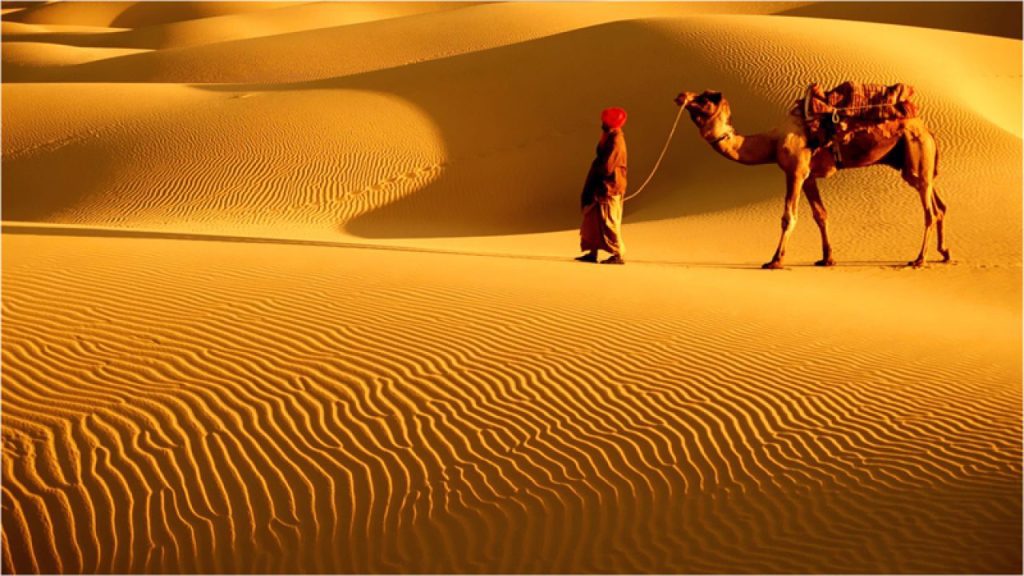
The Thar Desert’s landscape is characterized by rolling sand dunes, which are constantly reshaped by the wind. These dunes can reach impressive heights, creating a dramatic and ever-changing panorama. The desert also features rocky outcrops, salt flats, and intermittent oasis-like areas where water is available.
Climate and Conditions
The Thar Desert experiences extreme climatic conditions, with scorching hot summers and mild winters. During the summer months, temperatures can soar to over 50 degrees Celsius (122 degrees Fahrenheit), making it one of the hottest places on Earth. Winters are relatively mild, with temperatures ranging from 4 to 24 degrees Celsius (39 to 75 degrees Fahrenheit).
Rainfall in the Thar Desert is scarce and highly variable, with an average annual precipitation of around 100 to 500 millimeters (4 to 20 inches). The desert often experiences long periods of drought, making water a precious and limited resource.
Flora and Fauna
Despite its harsh environment, the Thar Desert is home to a surprising diversity of flora and fauna. The vegetation is adapted to the arid conditions, with many plants having deep root systems to access underground water sources. Common plant species include acacia, cactus, and various types of grasses and shrubs.
The desert’s fauna is equally remarkable, with numerous species that have adapted to the challenging conditions. Wildlife in the Thar Desert includes animals such as the Indian gazelle, desert fox, and various reptiles and rodents. The desert is also a haven for birdwatchers, as it serves as a habitat for several resident and migratory bird species.
Cultural and Historical Significance
The Thar Desert has a rich cultural and historical heritage. The people living in and around the desert have developed a unique way of life that is closely connected to the environment. Traditional practices such as livestock rearing, handicrafts, and agriculture are integral to their livelihoods.
The region is also known for its vibrant festivals, music, and dance forms, which reflect the rich cultural heritage of the Thar Desert. The desert is home to several historical sites, including ancient forts, palaces, and trade routes, which provide insights into the region’s history and significance.
Tourism Potential
The Thar Desert has significant potential as a tourist destination. Its unique landscape, diverse wildlife, and rich cultural heritage make it an ideal spot for nature lovers and adventure seekers. Activities such as desert safaris, camel rides, camping, and stargazing can provide visitors with unforgettable experiences.
Promoting sustainable tourism in the Thar Desert can help preserve its natural beauty and protect its fragile ecosystem. Responsible tourism practices can also support the local communities and contribute to the region’s economic development.
In conclusion, the Thar Desert, the only subtropical desert of Asia located in Pakistan, is a hidden gem that offers a glimpse into the beauty and complexity of Pakistan’s natural landscapes. This vast arid region, with its unique geography, diverse flora and fauna, and rich cultural heritage, is a testament to the resilience of both nature and human life. Whether you are an adventurer, a nature enthusiast, or someone looking to explore a different culture, the Thar Desert has something to offer. So, if you are planning your next trip, consider adding the Thar Desert to your list of destinations.
Source: To ensure the accuracy and authenticity of the information provided, the following sources were referenced:
- Thar Desert – Wikipedia
- Thar Desert | Map, Climate, Vegetation, & Facts – Britannica

