Excerpt: This post answers the questions “Which is the most densely populated province of Pakistan? Which is Pakistan’s largest province by Population? What is the largest province of Pakistan by Population?”
Pakistan is a country rich in cultural diversity and geographical beauty, divided into four provinces, each contributing uniquely to the nation’s identity. These provinces vary significantly in terms of size, population, culture, and economic activity. In this blog post, we explore the largest province of Pakistan by population, uncovering what makes it a significant part of the country.
Which is the most densely populated province of Pakistan?
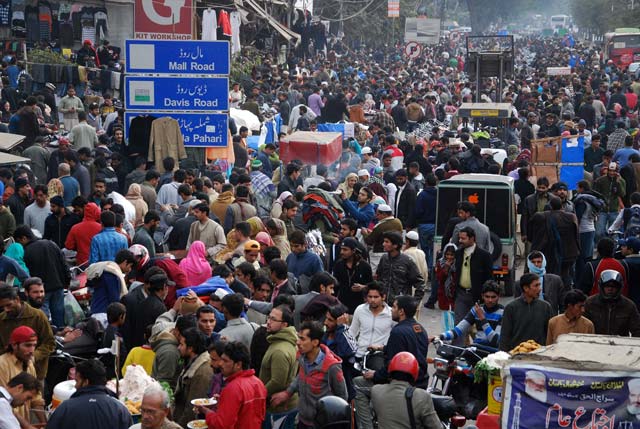
The largest province of Pakistan by population is Punjab. As of the most recent census, Punjab is home to over 110 million people, making it the most populous province in the country. This densely populated region plays a vital role in Pakistan’s socio-economic framework due to its significant contribution to the nation’s agriculture, industry, and culture.
Punjab, Pakistan
Location and Geography
Punjab is situated in the northeastern part of Pakistan. It shares borders with the provinces of Sindh to the south, Balochistan to the southwest, and Khyber Pakhtunkhwa to the northwest. It also shares an international border with India to the east. Punjab is characterized by its fertile plains, major rivers, including the Indus, Jhelum, Chenab, Ravi, and Sutlej, and a relatively moderate climate compared to other provinces.
Historical Significance
Punjab has a rich historical and cultural heritage that dates back thousands of years. It was the cradle of the Indus Valley Civilization, one of the world’s oldest civilizations, with historical sites like Harappa showcasing its ancient past. Punjab has witnessed various empires and rulers, including the Maurya, Gupta, Mughal, and Sikh empires. This rich historical tapestry has left a profound impact on the province’s culture, architecture, and traditions.
Demographics
Punjab’s population is highly diverse, with various ethnic groups and communities living harmoniously. The majority of the population speaks Punjabi, which is the provincial language, while Urdu and English are also widely spoken and understood. The province has a relatively high literacy rate compared to other provinces, thanks to its extensive network of educational institutions.
Economic Activities
Punjab is the economic heart of Pakistan, contributing significantly to the nation’s GDP. The province’s economy is primarily based on agriculture, with vast fertile lands supporting the cultivation of crops like wheat, rice, sugarcane, and cotton. Punjab is known as the “breadbasket” of Pakistan due to its substantial agricultural output.
In addition to agriculture, Punjab has a robust industrial sector. Major cities like Lahore, Faisalabad, Gujranwala, and Sialkot are industrial hubs, producing textiles, sports goods, leather products, and surgical instruments. The province’s industrial output plays a crucial role in Pakistan’s export economy.
Educational Institutions
Punjab is home to some of Pakistan’s leading educational institutions, providing quality education to its residents. The University of the Punjab in Lahore is one of the oldest and most prestigious universities in the country, offering a wide range of academic programs. Other notable institutions include Lahore University of Management Sciences (LUMS), Government College University, and the National University of Sciences and Technology (NUST) Lahore campus.
Infrastructure and Development
Punjab boasts well-developed infrastructure, with an extensive network of roads, railways, and airports connecting major cities and towns. The province has witnessed significant development in recent years, with improvements in public facilities, healthcare, and transportation. Major infrastructure projects like the Lahore Metro Bus and Orange Line Metro Train have enhanced urban mobility, while new highways and motorways have improved regional connectivity.
Cultural Heritage
Punjab is a cultural melting pot, with a rich tapestry of traditions, music, dance, and festivals. The province is known for its vibrant folk music, characterized by instruments like the dhol and tabla, and traditional dances like Bhangra and Gidda. Festivals such as Basant, Lohri, and Mela Chiraghan are celebrated with great enthusiasm, showcasing the province’s cultural diversity.
Punjab’s cuisine is another highlight, with a variety of delicious dishes that reflect the province’s agricultural abundance. From mouth-watering tandoori roti and butter chicken to sweet treats like jalebi and barfi, Punjab’s culinary delights are renowned across Pakistan and beyond.
In conclusion, Punjab, the largest province of Pakistan by population, plays a pivotal role in the country’s socio-economic and cultural landscape. Its fertile lands, rich history, diverse population, and robust economy make it a vital component of Pakistan’s identity. By exploring and understanding Punjab’s unique characteristics, we gain a deeper appreciation for the province’s contributions to the nation’s heritage and development.
Source: To ensure the accuracy and authenticity of the information provided, the following sources were referenced:
- Punjab – Pakistan Bureau of Statistics
- Punjab, Pakistan – Wikipedia
- Punjab – Punjab Government Web Portal