

Excerpt: This post answers the questions “Which is the longest railway route in Pakistan? What is the longest railway route in Pakistan? Which is Pakistan’s longest railway route? Which is the longest railway track in Pakistan?”
Pakistan boasts a rich and extensive railway network that spans the entire country, connecting major cities, towns, and rural areas. The railway system plays a crucial role in facilitating the movement of people and goods, contributing to the nation’s economic growth and social integration. Among the various railway routes, there exists one that stands out due to its impressive length and significance in linking the southern and northern regions of Pakistan.
Which is the longest railway route in Pakistan?
The Karachi to Peshawar Railway Route: The longest railway route in Pakistan stretches from the southern port city of Karachi to the northern city of Peshawar. Covering a distance of approximately 1,764 Kilometers (about 1096 miles), this route serves as a vital link between two major regions, facilitating trade, travel, and cultural exchange. A passenger train, Khyber Mail, took about 32 hours to cover this distance.
The Karachi to Peshawar Railway Route: An Overview
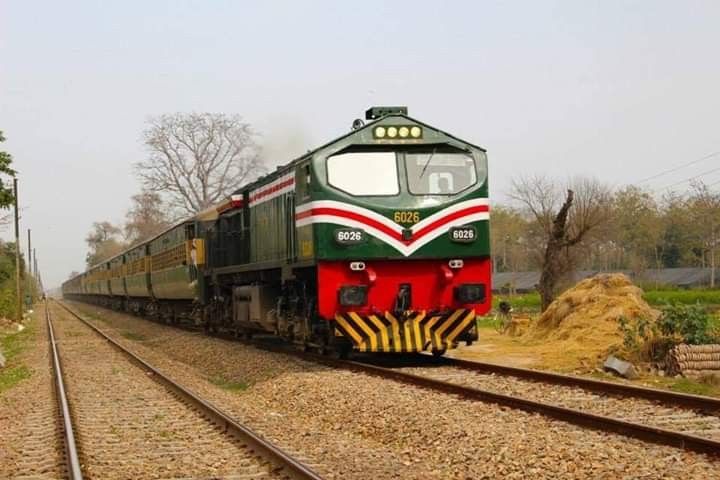
Route and Connectivity
The Karachi to Peshawar railway route, also known as the Main Line-1 (ML-1), is one of the most important and busiest routes in Pakistan’s railway network. Starting from Karachi, the largest city and economic hub of Pakistan, the route traverses through several key cities and towns, including Hyderabad, Rohri, Multan, Lahore, Rawalpindi, and finally reaching Peshawar, the capital of Khyber Pakhtunkhwa province. This extensive connectivity ensures that the route serves as a lifeline for both urban and rural areas, supporting economic activities and social interactions.
Historical Significance
The Karachi to Peshawar railway route has a rich history that dates back to the British colonial era. The construction of the railway line began in the mid-19th century, with the first section between Karachi and Kotri being completed in 1861. Over the years, the route was extended to connect other major cities, culminating in the completion of the entire Karachi to Peshawar line. The historical significance of this route is evident in its role in shaping Pakistan’s transportation infrastructure and promoting regional connectivity.
Economic Importance
The economic importance of the Karachi to Peshawar railway route cannot be overstated. As the primary route for transporting goods between the southern and northern regions, it supports various industries, including agriculture, manufacturing, and trade. The railway line facilitates the efficient movement of raw materials and finished products, contributing to the growth of businesses and the overall economy. Additionally, the route plays a crucial role in the transportation of agricultural produce from rural areas to urban markets, ensuring food security and livelihood for farmers.
Passenger Services
The Karachi to Peshawar railway route caters to a significant number of passengers daily, offering a range of services to meet diverse travel needs. Several passenger trains operate on this route, including both express and intercity services. Notable trains such as the Green Line Express, Karakoram Express, and Awam Express provide comfortable and convenient travel options for passengers, ensuring a pleasant journey across the length of the country.
Scenic Beauty
One of the highlights of traveling on the Karachi to Peshawar railway route is the opportunity to witness the stunning landscapes of Pakistan. The route offers picturesque views of lush green fields, serene rivers, and majestic mountains. As the train passes through different regions, passengers can experience the diverse topography and natural beauty that Pakistan has to offer.
Modernization and Upgrades
Recognizing the importance of the Karachi to Peshawar railway route, the government has initiated several modernization and upgrade projects to enhance its capacity and efficiency. The Main Line-1 (ML-1) project, part of the China-Pakistan Economic Corridor (CPEC), aims to revitalize the entire railway line. This project includes the construction of new tracks, the upgrading of existing infrastructure, and the introduction of modern signaling and communication systems. These developments are expected to significantly improve travel times, safety, and overall service quality.
Challenges and Solutions
Despite its significance, the Karachi to Peshawar railway route faces several challenges, including aging infrastructure, operational inefficiencies, and financial constraints. Addressing these issues requires a concerted effort from both the government and relevant stakeholders. Investments in infrastructure development, efficient management practices, and innovative solutions are essential to ensuring the long-term sustainability and growth of this vital railway route.
Roads in Pakistan: An Overview
National Highways
Pakistan’s national highways, including the N-5, form the backbone of the country’s road network. These highways connect major cities and regions, facilitating long-distance travel and trade. Key national highways include the N-25 (RCD Highway), N-10 (Makran Coastal Highway), and N-55 (Indus Highway). Each of these highways serves a specific purpose, contributing to the overall connectivity and economic development of the country.
Motorways
In addition to national highways, Pakistan has developed an extensive network of motorways, known for their high standards of construction and safety. The motorways, designated with the prefix “M,” provide fast and efficient travel options for motorists. Notable motorways include the M-1 (Islamabad-Peshawar), M-2 (Islamabad-Lahore), and M-3 (Lahore-Abdul Hakeem). These motorways have significantly reduced travel times and enhanced connectivity between major urban centers.
Provincial Roads
Provincial roads, managed by the respective provincial governments, play a crucial role in connecting smaller towns and rural areas to the national road network. These roads are essential for local transportation, enabling access to education, healthcare, and markets. While some provincial roads are well-developed, others require improvements to meet modern standards of safety and efficiency.
Challenges and Developments
Despite the extensive road network, Pakistan faces several challenges in maintaining and expanding its infrastructure. Issues such as road congestion, inadequate maintenance, and funding constraints impact the overall efficiency of the road system. However, the government is committed to addressing these challenges through various development projects. Initiatives like the China-Pakistan Economic Corridor (CPEC) aim to enhance road connectivity, boost trade, and support economic growth.
In conclusion, the Karachi to Peshawar railway route stands as the longest railway route in Pakistan, playing a vital role in connecting the southern and northern regions of the country. Its historical significance, extensive connectivity, economic importance, and scenic beauty make it a key component of Pakistan’s transportation infrastructure. As Pakistan continues to develop and improve its railway network, the Karachi to Peshawar route will remain a crucial artery for trade, travel, and cultural exchange. The future holds promise for further enhancements, ensuring that Pakistan’s railways continue to support the nation’s growth and development.
Source: To ensure the accuracy and authenticity of the information provided, the following sources were referenced:
- Up-gradation and Dualization of ML 1 – CPEC Website
- Khyber Mail – Wikipedia
- Pakistan Railways – Official Website
- Karachi – Peshawar Line – Wikipedia

