
Excerpt: This post answers the questions “Which is the largest district of Pakistan by population? Which is Pakistan’s largest district by population? What is the name of biggest district of Pakistan by population?
Pakistan is a country with a rich cultural heritage and a diverse population. It is divided into several provinces and districts, each contributing uniquely to the nation’s identity. The population distribution in Pakistan varies significantly from one district to another, with some districts being densely populated while others have a sparse population. Among these districts, one stands out due to its exceptionally large population, making it the most populous district in Pakistan. This blog post will explore this district in detail, focusing on its demographic and socio-economic aspects.
Which is the largest district of Pakistan by Population?
Lahore, the capital city of Punjab province, holds the distinction of being the largest district in Pakistan by population. This bustling metropolis is known for its vibrant culture, historical significance, and economic importance. With a population exceeding 11 million people, Lahore stands as a key player in Pakistan’s socio-economic landscape.
Population Statistics
According to the latest census, Lahore’s population has grown significantly over the years, surpassing 11 million residents. The city’s population density is among the highest in Pakistan, with people from various backgrounds and ethnicities calling it home. This rapid population growth can be attributed to several factors, including urbanization, economic opportunities, and educational institutions.
Geographical Significance
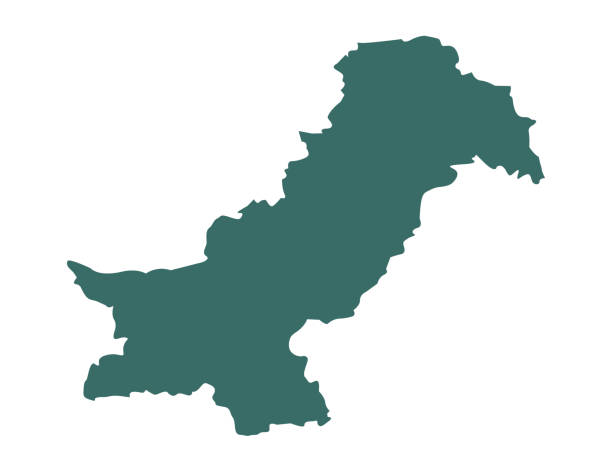
Lahore is strategically located in the northeastern part of Pakistan, near the border with India. The city is situated along the banks of the Ravi River, which adds to its geographical importance. Lahore’s central location within Punjab province makes it a key hub for trade, commerce, and transportation.
Historical Background
Lahore boasts a rich history that dates back over a thousand years. It has been a center of various civilizations, including the Mughal Empire, which left a lasting legacy on the city’s architecture and culture. The city’s historical landmarks, such as the Lahore Fort, Badshahi Mosque, and Shalimar Gardens, are a testament to its glorious past.
Throughout history, Lahore has been a cultural and intellectual hub, attracting scholars, poets, and artists from across the region. The city’s vibrant cultural scene continues to thrive, making it a focal point for art, literature, and music in Pakistan.
Lahore: The Densely Populated District of Pakistan
Economic Hub
Lahore is one of the most significant economic centers in Pakistan. The city’s economy is diverse, with key sectors including manufacturing, trade, services, and agriculture. Lahore is home to numerous industries, ranging from textiles and garments to food processing and pharmaceuticals.
The city’s markets, such as Anarkali Bazaar, Liberty Market, and Shah Alam Market, are bustling with commercial activity. Lahore’s economic importance is further highlighted by its role as a major center for finance and banking, with several national and international banks operating in the city.
Educational and Health Facilities
Lahore is renowned for its educational institutions, which attract students from all over Pakistan and beyond. The city is home to prestigious universities and colleges, including the University of the Punjab, Lahore University of Management Sciences (LUMS), and King Edward Medical University. These institutions offer a wide range of academic programs and contribute to the city’s reputation as an educational hub.
In terms of healthcare, Lahore boasts some of the best medical facilities in Pakistan. The city has numerous hospitals, clinics, and specialized healthcare centers that provide high-quality medical services. Notable healthcare institutions include Mayo Hospital, Services Hospital, and Shaukat Khanum Memorial Cancer Hospital.
Cultural Melting Pot
Lahore’s cultural richness is evident in its diverse population and vibrant traditions. The city is known for its traditional festivals, such as Basant (kite festival) and Lahore Literary Festival, which celebrate the city’s cultural heritage. Lahore’s cuisine is famous throughout Pakistan, with dishes like Lahori Chargha, Nihari, and Halwa Puri being local favorites.
The city’s cultural scene is also reflected in its thriving arts and entertainment industry. Lahore is a hub for theater, music, and film, with numerous cultural centers and theaters showcasing the talents of local artists. The city’s historical sites, museums, and art galleries further contribute to its cultural appeal.
Infrastructure and Urban Development
Lahore has undergone significant urban development in recent years, with various infrastructure projects aimed at improving the quality of life for its residents. The city’s transportation network includes modern roadways, flyovers, and public transport systems such as the Lahore Metro Bus and Orange Line Metro Train.
The development of residential and commercial areas has transformed Lahore’s skyline, with modern buildings and shopping malls adding to the city’s urban landscape. Despite the challenges posed by rapid urbanization, efforts are being made to address issues such as traffic congestion, environmental pollution, and affordable housing.
In conclusion, Lahore stands as the largest district of Pakistan by population, playing a crucial role in the country’s socio-economic and cultural landscape. The city’s historical significance, economic dynamism, and cultural vibrancy make it a unique and essential part of Pakistan. Understanding the unique attributes of Lahore allows us to appreciate its contribution to the overall development of Pakistan. As Lahore continues to grow and evolve, it holds the promise of a bright and prosperous future.
Source: To ensure the accuracy and authenticity of the information provided, the following sources were referenced:
- Punjab – Pakistan Bureau of Statistics
- Lahore District – Wikipedia

