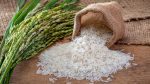
Excerpt: This post answers the questions “Which city of Pakistan is called city of Rice? Which Pakistani city has the nickname of City of Rice? Which is City of Rice in Pakistan?”
Pakistan is renowned for its rich agricultural heritage, with vast fields producing a variety of crops that sustain both the local population and contribute significantly to the country’s economy. Among these crops, rice holds a special place, not just as a staple food but also as a key export product. In the heart of this agricultural bounty lies a city that has earned the title of being the “City of Rice.” This city is celebrated for its extensive rice cultivation and vibrant rice market, making it a crucial hub for the country’s rice industry.
Which city of Pakistan is called City of Rice?
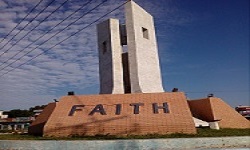
The city that proudly holds the title of the “City of Rice” in Pakistan is Hafizabad. Located in the Punjab province, Hafizabad is recognized as the biggest rice market in the country. Its fertile lands and favorable climate conditions have made it an ideal region for rice cultivation, and over the years, it has developed into a major center for rice production and trade.
The Location and Its Significance
Hafizabad is strategically positioned in the northeastern part of Punjab, surrounded by vast agricultural fields that are primarily dedicated to rice cultivation. The city’s location along the banks of the Chenab River provides the necessary water resources for irrigation, ensuring the optimal growth of rice crops. This geographical advantage has played a pivotal role in establishing Hafizabad as a key player in Pakistan’s rice industry.
Historical Background
The history of Hafizabad dates back to ancient times, with references to the region found in historical records. The city’s name is believed to be derived from Hafiz Meerak, a prominent Sufi saint who lived in the area. Over the centuries, Hafizabad has witnessed various dynasties and empires, each leaving its mark on the city’s cultural and agricultural landscape. The development of rice cultivation in Hafizabad can be traced back to these early civilizations, and it has continued to flourish ever since.
Economic Importance
Hafizabad’s economy is deeply intertwined with rice cultivation and trade. The city is home to numerous rice mills and processing units that cater to both domestic and international markets. The high-quality Basmati rice produced in Hafizabad is particularly renowned for its aroma, flavor, and texture, making it a sought-after commodity in global markets. The rice industry in Hafizabad not only provides employment opportunities for the local population but also contributes significantly to Pakistan’s export revenue.
Cultural Significance
Rice cultivation in Hafizabad is more than just an economic activity; it is a way of life for the people of the region. The cultural significance of rice is evident in the various festivals and traditions that revolve around the planting and harvesting seasons. The annual rice festivals, where farmers celebrate their bountiful harvests with music, dance, and traditional cuisine, are a testament to the deep-rooted connection between the people and their land. These cultural celebrations not only preserve the heritage of the region but also attract visitors from across the country.
Challenges and Opportunities
Despite its success, Hafizabad faces several challenges in maintaining its status as the “City of Rice.” Issues such as water scarcity, climate change, and the need for modern agricultural practices pose significant threats to the city’s rice industry. However, these challenges also present opportunities for innovation and growth. By adopting advanced irrigation techniques, improving infrastructure, and investing in research and development, Hafizabad can further enhance its rice production and secure its position as a leading rice market.
Tourism Potential
Hafizabad may not be a traditional tourist destination, but its rich agricultural heritage and cultural significance offer unique experiences for visitors. The rice fields, with their lush green landscapes, provide a picturesque setting for eco-tourism and agricultural tours. Visitors can explore the rice mills, learn about the cultivation and processing of rice, and even participate in traditional rice festivals. These activities not only promote tourism but also create awareness about the importance of sustainable agriculture.
Hafizabad, the “City of Rice” in Pakistan, stands as a symbol of the country’s agricultural prowess and cultural heritage. Its strategic location, historical significance, and economic importance make it a vital hub for rice production and trade. While the city faces challenges, its potential for growth and development is immense. By embracing innovation and preserving its cultural traditions, Hafizabad can continue to thrive and contribute to Pakistan’s agricultural landscape. Exploring Hafizabad offers a glimpse into the heart of Pakistan’s rice industry, where tradition and progress coexist harmoniously.
Source: To ensure the accuracy and authenticity of the information provided, the following sources were referenced:
- Hafizabad – Wikipedia