Excerpt: This post answers the questions “Which city is called city of Manchester in Pakistan? Which Pakistani city is also known as Manchester of Pakistan? Which Pakistani city has the nickname Manchester of Pakistan? Which city is called the Manchester of Pakistan?”
Among the bustling cities of Pakistan, there is one that stands out for its remarkable industrial prowess. This city has earned a special nickname due to its similarities with a famous city in the United Kingdom. Known for its vibrant textile industry and significant contributions to the country’s economy, this city has a rich history and a promising future. Its industrial landscape, cultural heritage, and economic vitality make it a key player in Pakistan’s development. In this blog post, we will delve into the city that is often compared to Manchester, exploring its significance and the reasons behind its prestigious title.
Which City is Called City of Manchester in Pakistan?
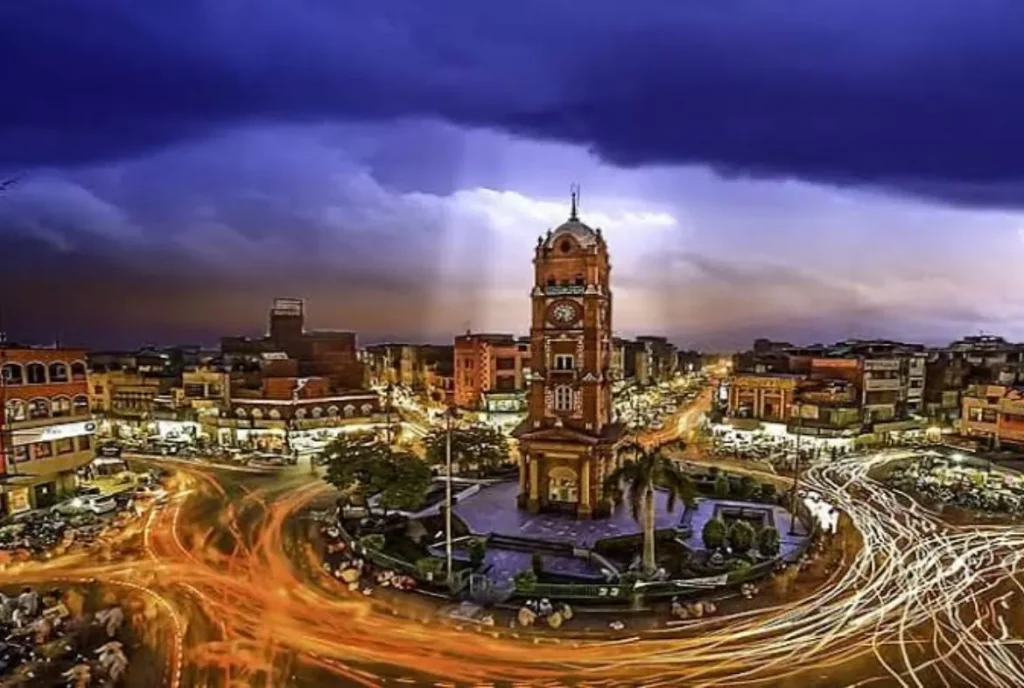
The city that proudly holds the title of “City of Manchester in Pakistan” is Faisalabad. Located in the Punjab province, Faisalabad is a city that has made a name for itself through its thriving textile industry, earning it the nickname “Manchester of Pakistan.” Let’s explore the various facets of Faisalabad that contribute to its reputation and importance.
Historical Significance
Faisalabad, originally known as Lyallpur, was founded in 1892 during British colonial rule. The city’s establishment was part of a canal colonization project aimed at transforming barren lands into fertile agricultural areas. Over the years, Faisalabad has evolved from an agricultural town into a major industrial center, thanks to its strategic location and access to irrigation from the Chenab River.
Industrial Hub
Faisalabad’s rise to prominence as an industrial hub can be attributed to its booming textile sector. The city is home to numerous textile mills, factories, and manufacturing units that produce a wide range of textile products, including fabrics, garments, and home textiles. The presence of a skilled workforce, coupled with modern infrastructure and technology, has enabled Faisalabad to become a leading exporter of textiles to international markets.
Textile Industry
The textile industry is the backbone of Faisalabad’s economy. The city’s textile mills and factories produce high-quality cotton, yarn, and fabric, which are used to manufacture garments and other textile products. Faisalabad’s textile industry is known for its innovation and adherence to international quality standards. The city’s textile products are highly sought after in global markets, contributing significantly to Pakistan’s export revenues.
Educational Institutions
Faisalabad is also renowned for its educational institutions, particularly in the fields of agriculture, engineering, and textiles. The University of Agriculture, Faisalabad (UAF) is one of the premier agricultural universities in Asia, offering cutting-edge research and education in agricultural sciences. Additionally, the National Textile University (NTU) in Faisalabad provides specialized education and training in textile engineering, further strengthening the city’s position as a textile hub.
Cultural Heritage
Despite its industrial prominence, Faisalabad has managed to retain its cultural heritage and traditions. The city is known for its vibrant arts and crafts, traditional music, and cultural festivals. The annual Faisalabad Literary Festival attracts writers, poets, and artists from across the country, showcasing the city’s rich literary and artistic heritage.
Economic Contributions
Faisalabad’s economic contributions extend beyond the textile industry. The city is also a major center for agriculture, producing a variety of crops, including wheat, sugarcane, and vegetables. The industrial sector in Faisalabad encompasses other industries such as chemicals, pharmaceuticals, and food processing. The city’s economic activities generate employment opportunities for thousands of people, contributing to the overall development and prosperity of the region.
Infrastructure and Development
The city’s infrastructure has seen significant improvements over the years, with modern roads, transportation networks, and industrial estates being developed to support its industrial activities. Faisalabad’s industrial zones are equipped with state-of-the-art facilities, attracting both local and foreign investors. The city’s strategic location, with easy access to major highways and railways, further enhances its connectivity and logistical advantages.
Future Prospects
Faisalabad’s future prospects look promising, with continued investments in infrastructure, technology, and education. The city’s focus on sustainable development and innovation in the textile industry positions it well for future growth and expansion. Initiatives to promote research and development, along with collaborations with international partners, are expected to drive Faisalabad’s progress in the coming years.
In conclusion, Faisalabad’s title as the “City of Manchester in Pakistan” is well-deserved, given its remarkable contributions to the textile industry and the country’s economy. The city’s rich history, industrial strength, educational institutions, and cultural heritage make it a unique and dynamic place. Faisalabad’s journey from a small agricultural town to a major industrial powerhouse is a testament to the resilience and hard work of its people. As the city continues to grow and evolve, it remains a vital part of Pakistan’s economic and cultural landscape, embodying the spirit of progress and innovation. Whether you are interested in exploring its industrial achievements, cultural heritage, or economic potential, Faisalabad offers a fascinating glimpse into the heart of Pakistan’s development.
Source: To ensure the accuracy and authenticity of the information provided, the following sources were referenced:
- Faisalabad – Wikipedia