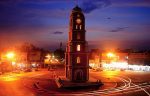
Excerpt: This post answers the questions “What is the old name of Sialkot? What is the original name of Sialkot? What is the first name of Sialkot?”
Nestled in the northeastern region of Punjab, there is a city that holds significant importance in Pakistan’s history. Known for its thriving industries, educational institutions, and rich cultural heritage, this city has been a center of trade and civilization for centuries. Its historical significance is not only due to its current standing but also because of the name it once carried. This name, steeped in history, reflects the city’s storied past.
What is the Old Name of Sialkot?
The city we now recognize as Sialkot was once called Sagala. This name dates back to ancient times and has roots in various historical texts and records. The name Sagala is believed to have originated from the Greek and Buddhist texts, where it is mentioned as a prominent city in the ancient region.
History of Sialkot
Ancient Beginnings
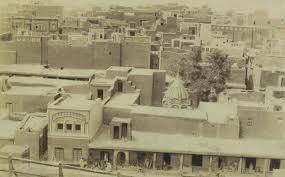
Sialkot’s history dates back to antiquity, with evidence of its existence during the times of the Indus Valley Civilization. The city was known as Sagala during ancient times and was a prominent center of trade and culture. According to Greek and Buddhist texts, Sagala was an important city in the Indo-Greek Kingdom, ruled by the Greek king Menander I during the 2nd century BCE. Menander, also known as Milinda, converted to Buddhism, and the city became a hub for Buddhist learning and culture.
The Medieval Era
During the medieval period, Sialkot saw various rulers and dynasties, each leaving their mark on the city’s history. The city was part of the Gupta Empire and later came under the rule of the White Huns. During the 10th century, the city was ruled by the Ghaznavids, followed by the Delhi Sultanate and the Mughal Empire. The Mughals, in particular, contributed to the city’s architectural and cultural development, with several historical structures from this era still standing today.
The Sikh and British Periods
In the 18th century, Sialkot came under the control of the Sikh Empire, led by Maharaja Ranjit Singh. The Sikhs established administrative and military infrastructure, further enhancing the city’s importance. However, with the decline of the Sikh Empire, the British East India Company took control of the region in the mid-19th century. During British rule, Sialkot saw significant development, including the establishment of schools, hospitals, and infrastructure projects. The city played a crucial role in the independence movement, with many notable figures from Sialkot contributing to the struggle for freedom.
Post-Independence Era
After the partition of India in 1947, Sialkot became part of Pakistan. The city continued to grow and develop, becoming a major industrial and commercial hub. Sialkot is now renowned for its production of sports goods, surgical instruments, and leather products. The city’s entrepreneurs have established a global presence, making Sialkot one of Pakistan’s most prosperous cities.
Modern-Day Sialkot
Today, Sialkot is a thriving city with a blend of historical charm and modern amenities. It is well-known for its export-oriented industries, particularly in sports goods and surgical instruments. The city also boasts several educational institutions, parks, and cultural sites that attract visitors from around the region. The Sialkot International Airport, the first privately-owned airport in Pakistan, further underscores the city’s economic importance.
Sialkot, with its deep-rooted history and vibrant present, stands as a testament to the resilience and adaptability of its people. The journey from Sagala to Sialkot reflects not only a change in name but also a narrative of growth, development, and a return to indigenous roots. As we stroll through its streets and observe its bustling life, we are reminded of the city’s dynamic past and the promise of its future.
Source: To ensure the accuracy and authenticity of the information provided, the following sources were referenced:
- History of District – Lahore High Court Website
- History of Sialkot – Wikipedia