
Excerpt: This post answers the questions “What is the old name of Rawalpindi? What is the original name of Rawalpindi? What is the ancient name of Rawalpindi?”
Located in the northern part of Pakistan, this city has a rich historical and cultural heritage that spans thousands of years. Known for its strategic importance, vibrant markets, and a unique blend of traditional and modern lifestyles, the city has played a significant role in the history of the region. It has been a center for trade, culture, and political activities, attracting people from various backgrounds. The city’s name has evolved over time, reflecting its dynamic history and the diverse influences that have shaped it. But what was the original name of this historical city?
What is the old name of Rawalpindi?
Some historians believe that the old name of Rawalpindi was Gajipur or Gajnipur. According to this view, present-day Rawalpindi is situated on the site of an ancient village inhabited by the Rawals, a group of yogis. The village was known as Gajipur or Gajnipur. Certain ruins in the area are identified with the ancient city of Gajipur, or Gajnipur, which was the capital of the Bhatti tribe before the Common Era. The city was later renamed Rawalpindi by the Gakhar chief Jhanda Khan.
In contrast, another historical perspective suggests that Rawalpindi was originally called “Fatehpur Baori.” This name highlights the area’s rich cultural and historical importance before it was renamed Rawalpindi. The name Fatehpur Baori signifies the city’s significance as a key location for various civilizations and empires that have ruled over the region. Over time, the name evolved, and the city became known as Rawalpindi, a name that continues to carry the legacy of its ancient past.
History of Rawalpindi
Ancient Origins
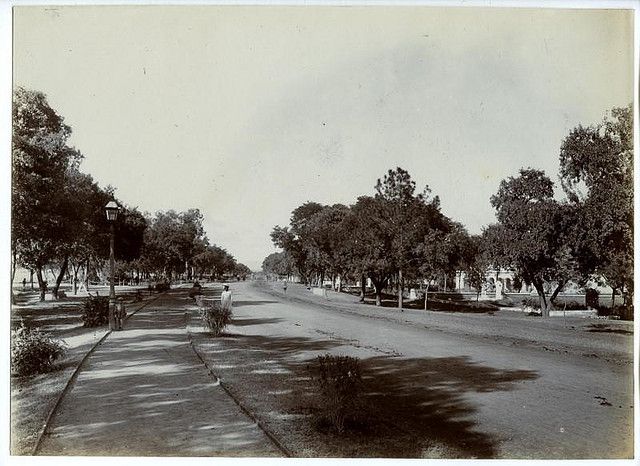
Rawalpindi’s history can be traced back to ancient times, with archaeological evidence suggesting human settlement as early as 1000 BC. The area was initially inhabited by the Potohari tribes, who laid the foundation for what would eventually become a bustling city. The strategic location of Rawalpindi along important trade routes made it an ideal spot for early civilizations to thrive. The city’s early history is closely linked to the development of trade networks that connected Central Asia, the Indian subcontinent, and the Persian Gulf.
Buddhist Era
During the Buddhist era, the region of Rawalpindi saw significant development. The city was an important center for Buddhist learning and culture. Many stupas, monasteries, and religious artifacts from this period have been discovered in and around Rawalpindi, highlighting the city’s importance as a religious and cultural hub. The famous ruins of the nearby city of Taxila, a UNESCO World Heritage Site, further emphasize the region’s historical significance during this era.
Islamic Influence
The arrival of Islam in the Indian subcontinent brought significant changes to Rawalpindi. The city became an important center for the spread of Islamic teachings and culture. Islamic scholars and missionaries traveled to Rawalpindi, establishing madrasas and mosques that became centers of learning and spiritual guidance. The city’s cultural landscape was enriched by the influence of Islamic architecture, art, and literature.
Mughal Era
During the Mughal period, Rawalpindi witnessed substantial growth and development. The Mughals recognized the strategic importance of the city and invested in its infrastructure. Grand structures, including gardens, palaces, and caravanserais, were built, transforming Rawalpindi into a thriving trade center. The city’s architectural heritage from the Mughal era includes stunning examples of Mughal art and architecture, which continue to attract tourists and history enthusiasts.
Sikh Rule
In the early 19th century, Rawalpindi came under Sikh rule. The city became an important military and administrative center for the Sikh Empire. The Sikhs developed Rawalpindi’s infrastructure, constructing forts, garrisons, and administrative buildings. The city’s strategic location made it a key hub for military operations and trade activities. The legacy of the Sikh period can still be seen in some of the historical structures that dot the city’s landscape.
British Colonial Period
In the mid-19th century, Rawalpindi came under British colonial rule as part of the British Indian Empire. The British recognized the strategic importance of Rawalpindi and developed it as a major military garrison town. The construction of the railway line connecting Rawalpindi to other parts of the Indian subcontinent further enhanced its significance as a trade and transportation hub. During this period, Rawalpindi underwent significant infrastructural development, including the establishment of modern educational institutions, hospitals, and administrative buildings.
Post-Independence Era
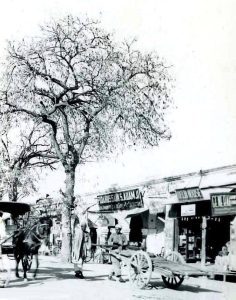
Following the independence of Pakistan in 1947, Rawalpindi became an important city in the newly formed nation. It served as the interim capital of Pakistan before Islamabad was established as the permanent capital. Rawalpindi’s diverse population includes people from various ethnic and cultural backgrounds, each contributing to the city’s vibrant cultural tapestry. The city has continued to grow and develop, attracting people from different parts of the country.
Modern Rawalpindi
Today, Rawalpindi is a bustling city that blends modernity with tradition. It is known for its bustling markets, historical landmarks, and vibrant cultural scene. The city’s bazaars, such as Raja Bazaar and Saddar Bazaar, are known for their unique handicrafts, traditional garments, and delicious local cuisine. Rawalpindi is also home to several educational institutions, including the prestigious Army Medical College and the National University of Sciences and Technology (NUST), which contribute to the city’s academic and intellectual growth.
Rawalpindi’s rich history and cultural diversity make it a unique and fascinating city. From its early days as Fatehpur Baori to its modern-day status as a bustling urban center, Rawalpindi has witnessed countless transformations. The city’s resilience and adaptability have allowed it to thrive despite the challenges it has faced. Today, Rawalpindi stands as a testament to the enduring spirit of its people and the rich cultural heritage that defines it. As we explore the old name of this historical city, we gain a deeper appreciation for its journey through time and its contributions to the cultural tapestry of Pakistan.
Source: To ensure the accuracy and authenticity of the information provided, the following sources were referenced:
- Rawalpindi – Britannica
- Rawalpindi – Wikipedia