
Excerpt: This post answers the questions “What is the national tower of Pakistan? Which is Pakistan’s national tower? Where is the national tower of Pakistan?”
National monuments and landmarks serve as powerful symbols of a country’s history, culture, and identity. These structures often commemorate significant events, honor great leaders, and inspire a sense of pride and unity among the people. In this blog post, we will explore the national tower of Pakistan, delving into its history, architectural features, and cultural significance. This iconic tower stands as a testament to the nation’s resilience, independence, and aspirations for the future.
What is the national tower of Pakistan?
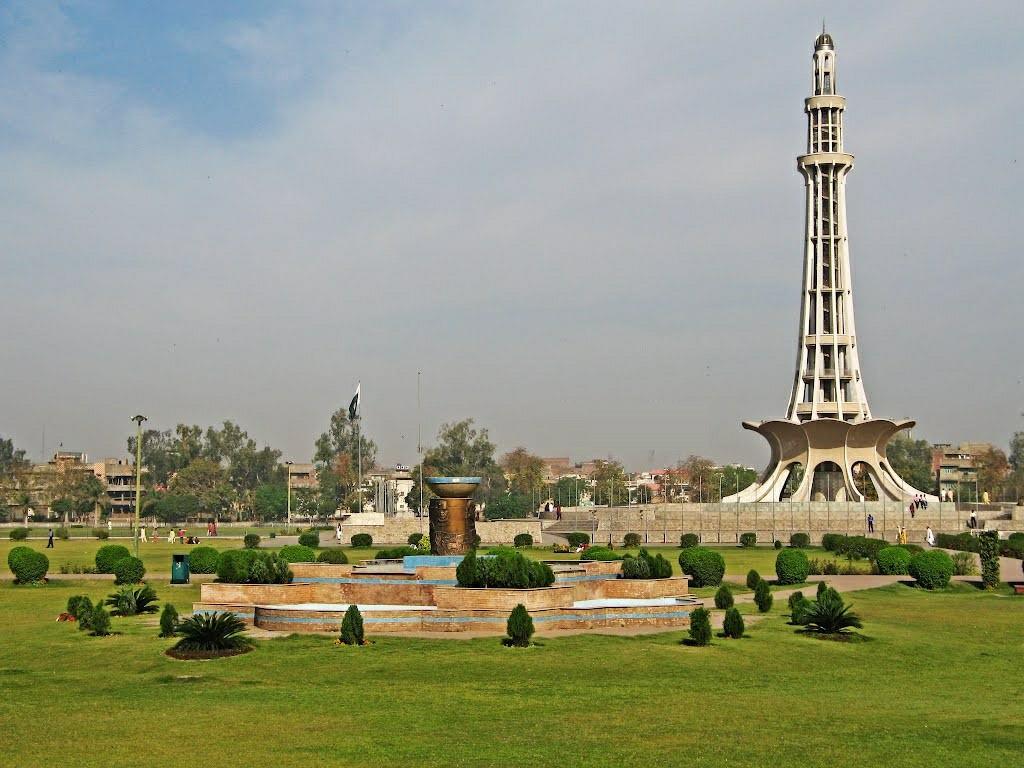
The national tower of Pakistan is the Minar-e-Pakistan. Located in Iqbal Park, Lahore, this towering monument marks a pivotal moment in the country’s history. The Minar-e-Pakistan commemorates the Lahore Resolution, also known as the Pakistan Resolution, which was passed on March 23, 1940. This resolution laid the foundation for the creation of Pakistan as a separate nation for Muslims in the Indian subcontinent.
Historical Significance
The history of Minar-e-Pakistan is deeply intertwined with the struggle for independence and the formation of Pakistan. The Lahore Resolution, passed by the All-India Muslim League at Minto Park (now Iqbal Park), called for the establishment of independent states for Muslims in the north-western and eastern zones of India. This resolution was a significant milestone in the Indian independence movement and set the stage for the creation of Pakistan in 1947.
The construction of Minar-e-Pakistan began in 1960 and was completed in 1968. The monument was designed by Turkish architect Murad Khan, who aimed to create a structure that would symbolize the aspirations and resilience of the Pakistani people. The foundation stone was laid on March 23, 1960, by the then-Governor of West Pakistan, Akhtar Hussain.
Architectural Features
The Minar-e-Pakistan is a striking example of modernist architecture, with elements that reflect both Islamic and Mughal design traditions. The tower stands at a height of approximately 70 meters (230 feet) and is built from a combination of reinforced concrete, stones, and white marble. The design of the Minar is characterized by its elegant simplicity and geometric precision.
- Base and Platforms: The base of the Minar-e-Pakistan is shaped like a five-pointed star, representing the unity of Pakistan’s five provinces. The star is surrounded by a platform that consists of four smaller platforms, each representing a significant phase in the struggle for independence. These platforms are adorned with marble plaques inscribed with the text of the Lahore Resolution, historical speeches, and key events.
- Tower Structure: The tower itself is composed of four distinct sections, each tapering upward. The lower section is designed in the shape of a flower, symbolizing the growth and prosperity of the nation. The middle sections feature a blend of Islamic and Mughal architectural motifs, including arches, calligraphy, and decorative patterns. The topmost section of the tower is crowned with a steel dome and a finial, adding to its grandeur.
- Illumination and Surroundings: The Minar-e-Pakistan is equipped with an advanced lighting system that illuminates the tower during the night, creating a mesmerizing spectacle. The monument is surrounded by lush gardens, fountains, and pathways, providing a serene and reflective environment for visitors. Iqbal Park, where the Minar is located, is one of the largest urban parks in Pakistan and is a popular destination for families, tourists, and history enthusiasts.
Cultural and National Significance
The Minar-e-Pakistan holds immense cultural and national significance for the people of Pakistan. It stands as a symbol of the nation’s resilience, unity, and commitment to the principles of democracy and freedom. The monument commemorates the sacrifices and struggles of those who fought for the creation of Pakistan and serves as a reminder of the country’s rich historical heritage.
The Minar-e-Pakistan is a focal point for national celebrations and events. Each year on March 23, Pakistan Day, the monument becomes the center of festivities, including parades, cultural performances, and ceremonies. The site also hosts various educational and cultural programs that promote awareness about Pakistan’s history and heritage.
For many Pakistanis, Minar-e-Pakistan is more than just a monument; it is a source of inspiration and pride. The tower’s elegant design and historical significance evoke a sense of reverence and patriotism, making it a cherished symbol of the nation’s identity.
Visitor Experience
Visiting Minar-e-Pakistan is a deeply enriching experience that offers a glimpse into the nation’s history and cultural heritage. The monument is open to visitors throughout the year, providing an opportunity to appreciate its architectural beauty and historical significance. Informational plaques and guided tours offer additional context and insights into the story of Minar-e-Pakistan and the Lahore Resolution.
The surrounding Iqbal Park provides a peaceful and scenic setting, making it an ideal place for reflection and recreation. Visitors can explore the park’s gardens, fountains, and pathways, or simply relax and enjoy the serene ambiance. The park also features a range of amenities, including picnic areas, play zones, and food stalls, making it a popular destination for families and tourists.
Preservation and Maintenance
The preservation and maintenance of Minar-e-Pakistan are essential to ensure that this national treasure remains intact for future generations. The monument is managed by the Parks and Horticulture Authority (PHA) of Lahore, which oversees its upkeep and organizes various events and activities to promote public awareness about its significance.
Regular maintenance work is carried out to preserve the structural integrity and aesthetic appeal of the Minar. This includes cleaning the marble surfaces, maintaining the gardens, and ensuring that the inscriptions and decorative elements remain in good condition. The management also collaborates with heritage conservation experts to implement best practices in preserving the monument’s historical and architectural value.
In conclusion, Minar-e-Pakistan stands as the national tower of Pakistan, representing the nation’s resilience, unity, and cultural heritage. This iconic monument, with its elegant design and historical significance, serves as a testament to the struggle for independence and the aspirations of the Pakistani people. Minar-e-Pakistan is a symbol of national pride and a source of inspiration for future generations. By preserving and honoring this monumental tower, the people of Pakistan continue to pay tribute to their shared history and identity, fostering a sense of unity and patriotism that defines the spirit of the nation.
Source: To ensure the accuracy and authenticity of the information provided, the following sources were referenced:
- National Symbols of Pakistan – Wikipedia