
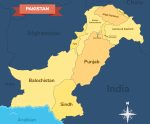
Excerpt: This post answers the questions “What is the national river of Pakistan? Which is Pakistan’s national river? What is the name of national river of Pakistan? Where is the national river of Pakistan?”
Rivers have always been the lifeblood of civilizations, providing water for drinking, agriculture, and transportation. They shape the landscape, sustain ecosystems, and hold cultural and historical significance. In this blog post, we will explore the national river of Pakistan, delving into its history, geographical significance, and cultural importance. This river is a symbol of Pakistan’s natural heritage and its vital role in the country’s development.
What is the national river of Pakistan?
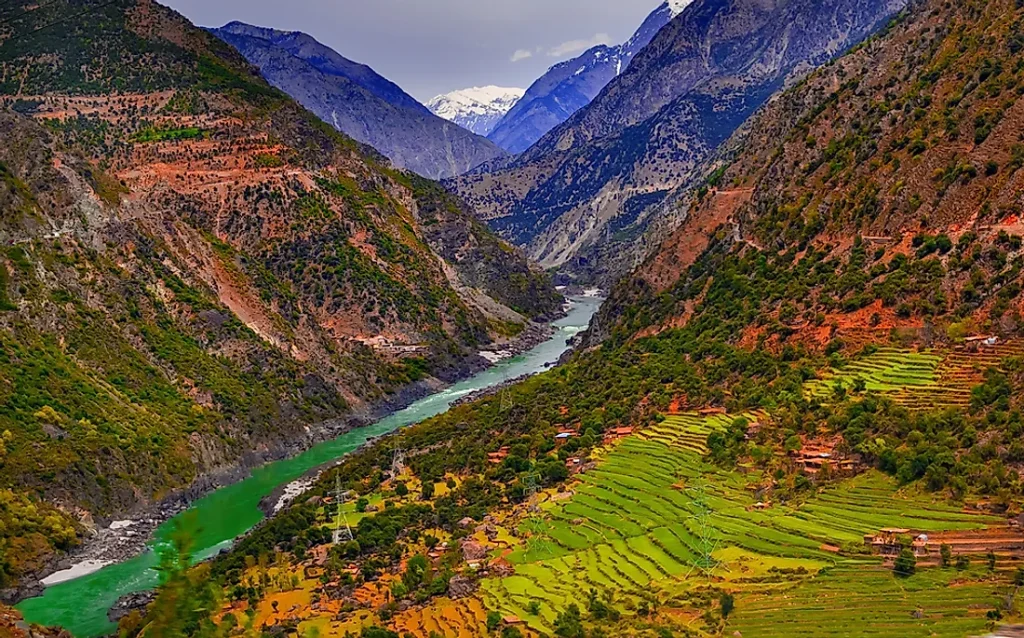
The national river of Pakistan is the Indus River. Known locally as the Sindhu River, the Indus is one of the longest and most important rivers in the world. It originates in the Tibetan Plateau in China and flows through India and Pakistan before emptying into the Arabian Sea. The Indus River has been a cradle of civilization for thousands of years and continues to play a crucial role in the lives of millions of people.
Historical Significance
The Indus River has a rich history that dates back to ancient times. It was the birthplace of the Indus Valley Civilization, one of the world’s earliest urban cultures, which thrived around 3300 to 1300 BCE. The cities of Harappa and Mohenjo-Daro, located along the banks of the Indus, were centers of trade, culture, and innovation.
The river’s significance is also mentioned in ancient texts, including the Rigveda, where it is referred to as “Sindhu.” The Indus River has been a vital trade route for centuries, facilitating the exchange of goods and ideas between different regions. Its fertile plains supported agriculture and settlements, contributing to the prosperity of ancient civilizations.
Geographical Significance
The Indus River is approximately 3,180 kilometers (1,976 miles) long, making it one of the longest rivers in the world. It originates from the glaciers of the Tibetan Plateau, flows northwest through the Ladakh region in India, and enters Pakistan through the Gilgit-Baltistan region. The river then meanders southward through the provinces of Khyber Pakhtunkhwa, Punjab, and Sindh before emptying into the Arabian Sea near Karachi.
The Indus River basin covers an area of about 1.1 million square kilometers (425,000 square miles), supporting diverse ecosystems and a wide range of flora and fauna. The river’s tributaries, including the Jhelum, Chenab, Ravi, Beas, and Sutlej, contribute to its flow and extend its reach across the region.
The Indus River is a vital source of water for Pakistan. It provides water for drinking, irrigation, and industrial use, making it essential for the country’s agriculture and economy. The river’s annual flooding deposits nutrient-rich silt on the floodplains, creating fertile soil for crops such as wheat, rice, and cotton.
Economic Importance
The Indus River is the backbone of Pakistan’s agricultural sector, supporting millions of farmers and their livelihoods. The river’s waters are harnessed through an extensive network of canals and irrigation systems, making it one of the most irrigated regions in the world. The Indus Basin Irrigation System is a complex network of dams, barrages, and canals that distributes water to agricultural fields across the country.
The construction of large dams, such as the Tarbela Dam and the Mangla Dam, has further enhanced the river’s role in the country’s economy. These dams provide water storage, flood control, and hydroelectric power generation, contributing to Pakistan’s energy needs and economic development.
The Indus River also supports the fishing industry, providing a source of livelihood for many communities along its banks. The river’s diverse aquatic life includes various species of fish, such as the Indus River dolphin, which is an endangered species unique to this river.
Cultural and Spiritual Significance
The Indus River holds immense cultural and spiritual significance for the people of Pakistan. It is considered sacred in Hinduism, where it is worshipped as the goddess Sindhu. The river is also mentioned in Islamic traditions, symbolizing purity and life.
The Indus River has inspired countless poets, writers, and artists, becoming a symbol of beauty, resilience, and continuity. Festivals and rituals associated with the river are celebrated with great enthusiasm, reflecting its importance in the cultural fabric of the region.
The river’s name, “Sindhu,” has influenced the naming of the country itself. The word “Pakistan” is derived from the Persian “Land of the Pure,” with “Sindhu” referring to the Indus River. The river’s historical and cultural significance is deeply embedded in the identity of the nation.
Environmental Challenges and Conservation
Despite its importance, the Indus River faces several environmental challenges that threaten its health and sustainability. Pollution from industrial and agricultural activities, over-extraction of water, and habitat degradation are some of the major issues affecting the river.
Conservation efforts are essential to protect the Indus River and ensure its continued vitality. Various organizations and government agencies are working to raise awareness about the importance of the river and promote sustainable practices that minimize environmental impact. Initiatives such as afforestation, pollution control, and water management are crucial for the preservation of this vital natural resource.
In conclusion, the Indus River, the national river of Pakistan, stands as a symbol of the country’s natural heritage, cultural richness, and economic vitality. This majestic river has shaped the history, geography, and livelihoods of millions of people for thousands of years. The Indus River continues to be a lifeline for Pakistan, providing water, sustenance, and inspiration. By understanding and appreciating the significance of the Indus River, we can work towards its conservation and ensure that future generations can continue to benefit from its bountiful resources. Through collective efforts and sustainable practices, we can celebrate and protect the legacy of the Indus River, the heart of Pakistan.
Source: To ensure the accuracy and authenticity of the information provided, the following sources were referenced:
- National Symbols of Pakistan – Wikipedia

