
Excerpt: This post answers the questions “What is the national reptile of Pakistan? Which is Pakistan’s national reptile? What is the name of national reptile of Pakistan?”
Reptiles play an essential role in the natural ecosystems of many countries, serving as both predators and prey in the food chain. These fascinating creatures have unique adaptations that allow them to thrive in various environments. Each country has its own national symbols, and some even have a national reptile that holds cultural and ecological significance. In this blog post, we will explore the national reptile of Pakistan, examining its characteristics, habitat, and importance to the country’s natural heritage.
What is the national reptile of Pakistan?
The national reptile of Pakistan is the Mugger Crocodile, scientifically known as Crocodylus palustris. Also referred to as the Marsh Crocodile or simply the Mugger, this remarkable reptile is native to the freshwater habitats of South Asia, including Pakistan. The Mugger Crocodile is known for its distinctive appearance, adaptability, and ecological significance.
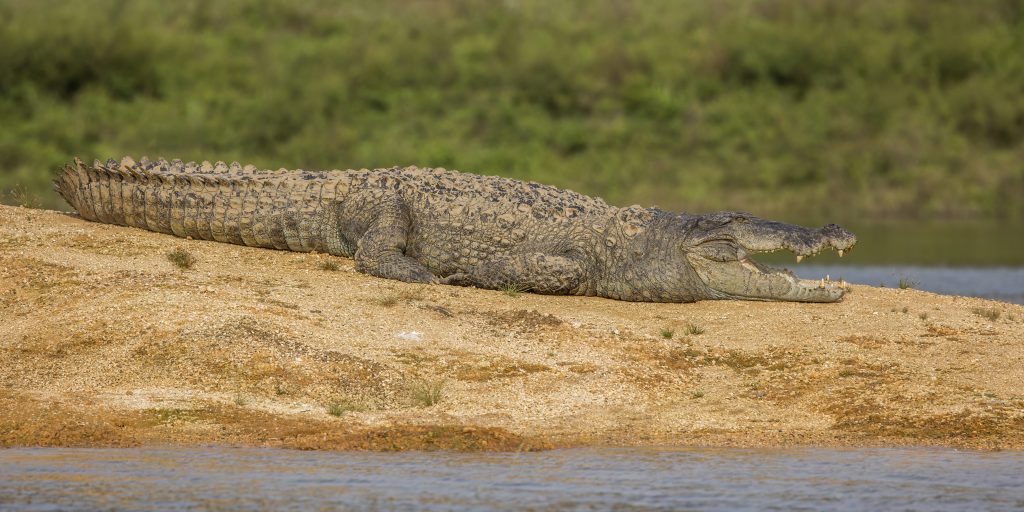
Characteristics of the Mugger Crocodile
The Mugger Crocodile is a large and robust reptile that can grow up to 4-5 meters (13-16 feet) in length, with some individuals even exceeding this size. It has a broad snout, a powerful tail, and a heavily armored body covered in tough, scaly skin. The coloration of the Mugger Crocodile varies, but it typically features shades of olive, gray, and brown, which provide excellent camouflage in its natural habitat.
One of the most notable features of the Mugger Crocodile is its strong jaws, equipped with sharp teeth designed for grasping and tearing prey. The eyes and nostrils of the Mugger are positioned on the top of its head, allowing it to see and breathe while remaining mostly submerged in water. This adaptation makes the Mugger an efficient ambush predator.
Habitat and Distribution
The Mugger Crocodile is a versatile species that can thrive in a variety of freshwater habitats, including rivers, lakes, marshes, and reservoirs. It prefers slow-moving or stagnant water bodies with ample vegetation, which provide both cover and hunting opportunities. The Mugger is also known to inhabit man-made water bodies such as irrigation canals and village ponds.
In Pakistan, the Mugger Crocodile is primarily found in the Indus River basin and its associated wetlands. The species is also present in other regions, including the provinces of Sindh, Punjab, and Balochistan. The adaptability of the Mugger allows it to inhabit areas with varying levels of human activity, from remote wetlands to agricultural landscapes.
Diet and Behavior
The Mugger Crocodile is an opportunistic carnivore with a diverse diet. Its prey includes fish, amphibians, birds, small mammals, and other reptiles. The Mugger uses its powerful jaws and sharp teeth to capture and subdue its prey. It is also known to scavenge on carrion, making it an essential part of the ecosystem’s cleanup crew.
Mugger Crocodiles exhibit a range of behaviors that aid in their survival. They are known for their basking habits, often seen lying on riverbanks or sandbars to regulate their body temperature. The Mugger is an ambush predator, relying on stealth and patience to capture its prey. It can remain motionless for extended periods, waiting for the perfect moment to strike.
During the breeding season, female Muggers construct nests by digging holes in sandy or muddy banks, where they lay clutches of eggs. The nests are carefully guarded by the female, who protects the eggs from potential predators. Once the eggs hatch, the female assists the hatchlings in reaching the water, providing protection and care during their vulnerable early stages of life.
Ecological and Cultural Significance
The Mugger Crocodile plays a crucial role in the ecosystem as both a predator and a scavenger. By controlling populations of fish, amphibians, and other prey species, Muggers help maintain a balance in the food web. Their scavenging behavior also aids in the decomposition of dead animals, contributing to nutrient cycling in the environment.
In addition to their ecological importance, Mugger Crocodiles hold cultural significance in some regions of Pakistan. They are featured in folklore, traditional medicine, and local beliefs. In some cultures, these reptiles are considered symbols of strength and resilience, while in others, they are associated with myths and legends.
Conservation and Threats
Despite their adaptability, Mugger Crocodiles face various threats that impact their populations. Habitat destruction, pollution, and human-wildlife conflict are some of the primary factors contributing to the decline of their natural habitats. Additionally, these reptiles are hunted for their skin, meat, and use in traditional medicine, further threatening their survival.
Conservation efforts are essential to protect the Mugger Crocodile and ensure its continued presence in Pakistan’s ecosystems. Various organizations and government agencies are working to raise awareness about the importance of these reptiles and promote sustainable practices that minimize their impact on natural habitats.
In conclusion, the Mugger Crocodile, also known as the Marsh Crocodile, stands as the national reptile of Pakistan. This remarkable creature, with its distinctive appearance and adaptability, plays a vital role in the country’s ecosystems. Its ecological and cultural significance makes it a cherished part of Pakistan’s natural heritage. By understanding and appreciating the importance of the Mugger Crocodile, we can work towards conserving this fascinating reptile and ensuring its continued survival for future generations. Through conservation efforts and public awareness, we can celebrate the diversity of Pakistan’s wildlife and the unique role that the Mugger Crocodile plays in maintaining the balance of nature.
Source: To ensure the accuracy and authenticity of the information provided, the following sources were referenced:
- National Symbols of Pakistan – Wikipedia