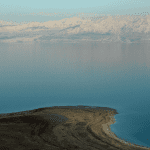
Excerpt: This post answers the questions “What is the lowest elevation in Pakistan? What is the deepest level in Pakistan? What is the lowest elevation point of Pakistan?”
Tucked within Pakistan’s diverse landscape, there exists a peculiar spot known for its minimal elevation. This place stands out from the rest, as it lies at the lowest point in the country, nestled near the delta where land and sea converge. It is not just a geographical fact but embodies significant ecological and territorial importance. So, let’s delve deeper into where exactly this lowest point is and what makes it so unique.
What is the Lowest Elevation in Pakistan?
Among the varying elevations across Pakistan, from its towering mountains to its deep valleys, the lowest point of elevation is found at Sir Creek. This narrow and marshy strip of water forms the boundary between Pakistan and India, stretching across the Rann of Kutch region in the Sindh province. Sir Creek sits at sea level, which makes it the lowest point in Pakistan.
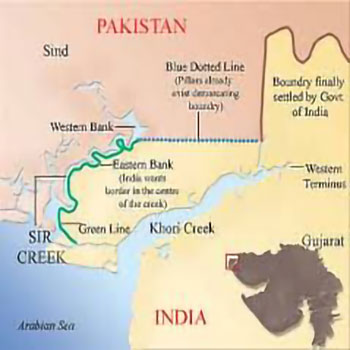
Sir Creek: The Lowest Point
Introduction to Sir Creek
Sir Creek is a 96-kilometer strip of estuary dividing the Indian state of Gujarat from Pakistan’s Sindh province. This saltwater creek has garnered attention not just for its elevation but also for its pivotal role in the geopolitical and ecological landscapes. Named after a British representative to India during colonial rule, Sir Creek holds a strategic and contentious position between the two neighboring countries.
The Geographical Significance of Sir Creek
Being at sea level, Sir Creek serves as a natural boundary and ecological haven. The creek is part of the Indus River Delta, which supports a complex system of tidal mudflats, mangroves, and estuarine environments. These ecosystems are crucial for the survival of numerous flora and fauna, making Sir Creek an area of high biodiversity.
The region’s biodiversity includes mangrove forests, which are essential for preventing coastal erosion and providing a habitat for marine species. The creek’s brackish waters foster various fish species and juvenile marine life, contributing to the local fishing industry’s economic viability. Additionally, the creek’s proximity to the Arabian Sea allows for tidal fluctuations that play a crucial role in maintaining the ecological balance of the region.
Sir Creek and its Territorial Disputes
Sir Creek is not just an ecological treasure; it is also a point of geopolitical contention between Pakistan and India. This dispute dates back to the days of British India and has remained unresolved since the partition in 1947. The primary issue revolves around the demarcation of the boundary line through the creek, which has significant implications for the territorial waters and exclusive economic zones of both countries.
The dispute intensifies due to the strategic and economic implications of the area. Control over Sir Creek influences maritime boundaries, fishing zones, and access to potential offshore oil and gas reserves. Both countries have laid claims to different lines of demarcation, leading to numerous diplomatic negotiations and occasional military standoffs.
Sir Creek Exploration and Accessibility
Despite its geopolitical challenges, Sir Creek has attracted attention for its natural beauty and untapped potential. The region is relatively unexplored due to its remote location and the territorial disputes surrounding it. However, adventurous travelers and researchers have shown interest in studying its unique ecosystems and geological features.
Access to Sir Creek is limited, with restricted entry being enforced by the Pakistani authorities due to security concerns. The area’s sensitive nature means that only authorized personnel and researchers typically gain entry. Nevertheless, the allure of Sir Creek’s pristine landscapes and rich biodiversity continues to draw interest from conservationists and environmental scientists alike.
Conservation Efforts and Environmental Concerns
The ecological significance of Sir Creek has prompted various conservation efforts to protect its mangrove forests and marine habitats. Non-governmental organizations and environmental bodies have been working to promote sustainable practices in the region. Conservation programs focus on protecting the delicate mangrove ecosystems, which are essential breeding grounds for many marine species and act as natural barriers against storm surges and coastal erosion.
Despite these efforts, Sir Creek faces several environmental threats. Pollution from industrial activities, overfishing, and habitat destruction are persistent challenges. Additionally, climate change poses a significant risk to the delicate balance of this coastal ecosystem, with rising sea levels threatening to inundate the tidal flats and mangrove forests further.
Sir Creek, as the lowest elevation point in Pakistan, holds immense geographical, ecological, and geopolitical importance. Its unique positioning at sea level contributes to the rich biodiversity of the Indus River Delta, providing habitats for various species and acting as a natural coastal buffer. However, its strategic location has also made it a hotspot for territorial disputes between Pakistan and India.
Protecting Sir Creek’s fragile environment is paramount, not only for preserving its ecological integrity but also for maintaining peace and cooperation between neighboring countries. Acknowledging its dual significance allows us to appreciate this distinctive feature of Pakistan’s geography and commit to its conservation.
Sources: To ensure the accuracy and authenticity of the information provided, the following sources were referenced:
- Sir Creek Ecological Importance – World Wild Fund
- Geopolitical Significance of Sir Creek – indeptheecology.gov
- Mangrove Ecosystems Conservation Feature – Mangrove Info