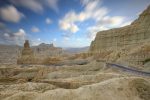
Excerpt: This post answers the questions “How much area of Pakistan is desert? What percent area of Pakistan is desert? How much area of Pakistan is covered with desert?”
Pakistan, located in South Asia, is known for its diverse geographical features. From the towering peaks of the Himalayas to the vast expanses of its deserts, Pakistan’s landscape is a true marvel. Among these features, the deserts play a crucial role in defining the country’s unique topography. This blog post delves into the extent of desert areas in Pakistan and explores the country’s varied topography.
How Much Area of Pakistan is Desert?
Deserts cover a significant portion of Pakistan’s land area. In total, approximately 11 million hectares of Pakistan’s land is classified as desert. These arid regions not only contribute to the country’s geographical diversity but also hold cultural and economic significance.
The Thar Desert
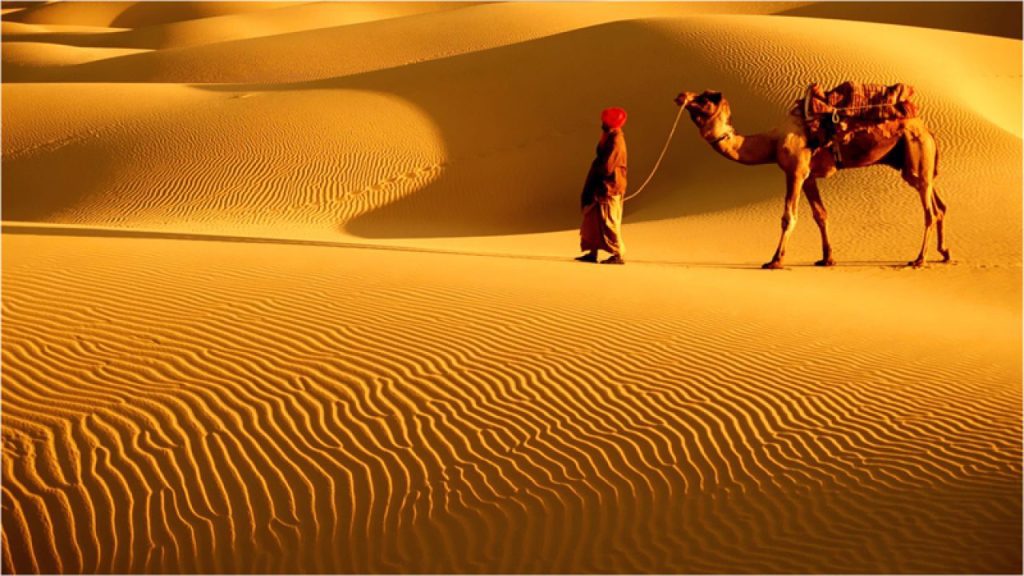
The Thar Desert, also known as the Great Indian Desert, is the largest desert in Pakistan, spanning parts of both Pakistan and India. In Pakistan, it is primarily located in the southeastern province of Sindh. The Thar Desert covers approximately 175,000 square kilometers and is characterized by its sand dunes, extreme temperatures, and sparse vegetation. Despite its harsh conditions, the Thar Desert is home to a rich cultural heritage and supports a variety of plant and animal species.
The Cholistan Desert
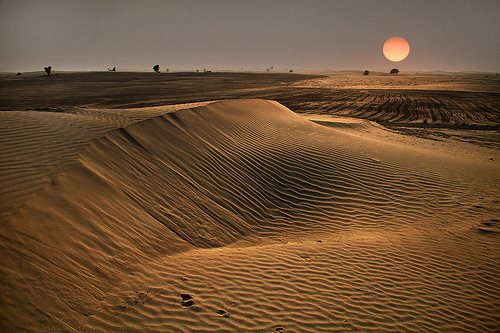
The Cholistan Desert, also known as the Rohi Desert, is located in the Punjab province of Pakistan. It covers an area of about 26,300 square kilometers. The Cholistan Desert is known for its arid climate, shifting sand dunes, and seasonal rivers that only flow during the monsoon season. The desert is also home to several historical sites, including the famous Derawar Fort, which attracts tourists and history enthusiasts alike.
The Kharan Desert
The Kharan Desert, situated in the southwestern province of Balochistan, is the smallest of Pakistan’s three major deserts. It covers an area of approximately 20,000 square kilometers. This desert is known for its rocky terrain, high plateaus, and limited vegetation. The Kharan Desert gained international attention when Pakistan conducted its nuclear tests here in 1998.
Topography of Pakistan
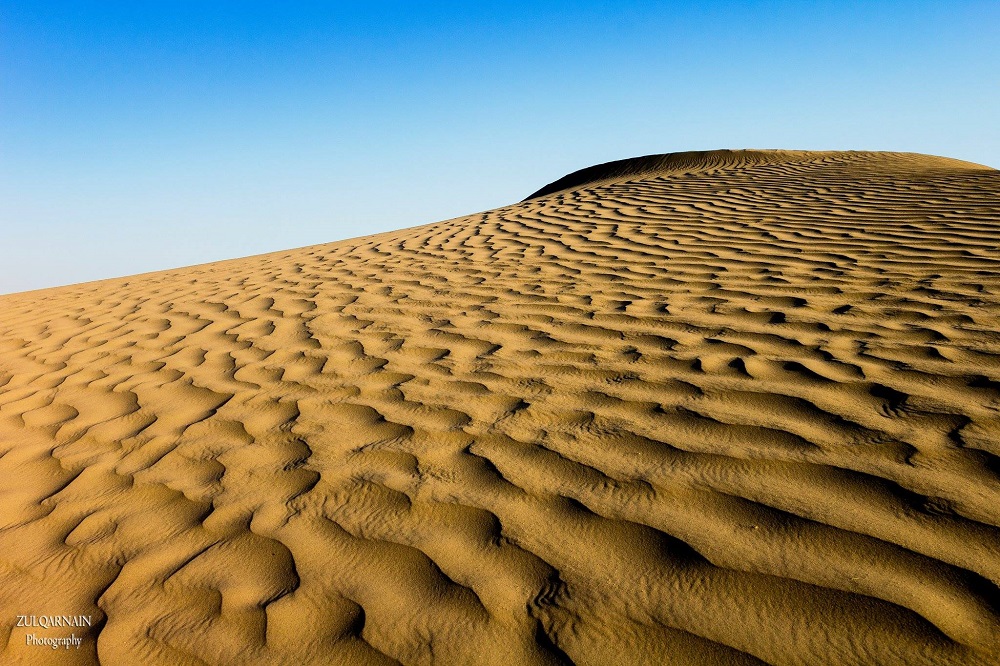
Pakistan’s topography is incredibly diverse, encompassing mountain ranges, plains, plateaus, deserts, and coastal areas. Each of these geographical features plays a vital role in shaping the country’s climate, agriculture, and way of life.
Mountain Ranges
The northern and western regions of Pakistan are dominated by some of the world’s highest mountain ranges, including the Himalayas, the Karakoram Range, and the Hindu Kush. These mountains are home to several of the world’s highest peaks, including K2, the second-highest mountain on Earth. The mountainous regions are also characterized by deep valleys, glaciers, and fast-flowing rivers, making them a popular destination for trekkers and mountaineers.
Plains and Plateaus
The central and eastern parts of Pakistan consist primarily of fertile plains, such as the Punjab and Sindh plains. These areas are part of the Indus River basin, which provides essential water resources for agriculture and sustains the livelihoods of millions of people. The Pothohar Plateau in the northern Punjab region is another notable feature, characterized by its undulating terrain and rich history.
Deserts
As mentioned earlier, Pakistan’s landscape includes three major deserts: the Thar Desert, the Cholistan Desert, and the Kharan Desert. These arid regions are characterized by their extreme temperatures, limited vegetation, and unique ecosystems. Despite their harsh conditions, the deserts play a crucial role in the country’s cultural heritage and economy.
Coastal Areas
Pakistan also has a coastline along the Arabian Sea, stretching for about 1,046 kilometers. The coastal areas include sandy beaches, rocky cliffs, and mangrove forests. The port cities of Karachi and Gwadar are important economic hubs, facilitating trade and commerce with other countries. These coastal regions are not only vital for Pakistan’s economy but also offer stunning landscapes and opportunities for tourism.
In conclusion, deserts cover a significant portion of Pakistan’s land area, with approximately 11 million hectares classified as desert. The Thar, Cholistan, and Kharan deserts each contribute to Pakistan’s unique topography and cultural heritage. Understanding the various geographical features of Pakistan helps us appreciate the country’s natural beauty and the challenges faced by its inhabitants. From the towering peaks of the Himalayas to the arid deserts and coastal regions, Pakistan’s topography is a testament to the incredible diversity of our planet.
Source: To ensure the accuracy and authenticity of the information provided, the following sources were referenced:
- Pakistan’s Deserts Land and Water Resources Development 2018 – Pakistan Council of Research in Water Resources
- Pakistan | Deserts – Britannica