
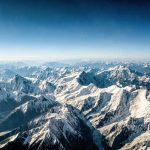
Excerpt: This post answers the questions “How many mountain ranges are there in Pakistan? Which mountain ranges are located in Pakistan?”
Pakistan, a country blessed with diverse landscapes, boasts some of the most stunning natural scenery in the world. From its lush green plains to its vast deserts, the country offers a myriad of geographical features that captivate the hearts of travelers and adventurers. Among these, the mountain ranges of Pakistan stand out as some of the most awe-inspiring and majestic features of the country’s topography. These mountains are not only significant for their sheer beauty but also for their cultural, historical, and ecological importance. In this blog post, we will delve into the number of mountain ranges in Pakistan and explore their unique characteristics.
How Many Mountain Ranges are There in Pakistan?
Pakistan is home to several major mountain ranges, each with its distinct features and significance. The country boasts a total of six prominent mountain ranges, which are:
- Himalayas
- Karakoram
- Hindu Kush
- Sulaiman Range
- Salt Range
- Kirthar Range
Each of these ranges contributes to the rich and diverse landscape of Pakistan, offering a range of natural wonders and outdoor activities for visitors and locals alike. Let’s take a closer look at each of these mountain ranges.
Himalayas
The Himalayas are one of the most famous mountain ranges in the world, and they extend into northern Pakistan, particularly in the Gilgit-Baltistan region. The Himalayan range is home to some of the highest peaks in the world, including Nanga Parbat, which stands at 8,126 meters (26,660 feet) and is known as the “Killer Mountain” due to its high fatality rate among climbers. The Pakistani Himalayas are characterized by their snow-covered peaks, lush valleys, and rich biodiversity. The region is also known for its beautiful lakes, such as Saif-ul-Malook and Lulusar, which add to the scenic beauty of the area.
Karakoram
The Karakoram Range is another significant mountain range in Pakistan, known for its towering peaks and challenging terrains. This range is home to K2, the second-highest mountain in the world, standing at 8,611 meters (28,251 feet). K2, also known as the “Savage Mountain,” is renowned for its extreme difficulty and high fatality rate among climbers. The Karakoram range stretches across the borders of Pakistan, India, and China and is known for its stunning glaciers, including the Baltoro Glacier and the Biafo Glacier. The region is a popular destination for mountaineers and trekkers who seek to explore its rugged beauty and challenging trails.
Hindu Kush
The Hindu Kush range stretches across northern Pakistan and Afghanistan, forming a natural boundary between the two countries. This range is known for its high peaks, including Tirich Mir, which stands at 7,708 meters (25,289 feet) and is the highest peak in the Hindu Kush range. The region is characterized by its rugged terrain, deep gorges, and steep valleys. The Hindu Kush has historically been a significant trade route, connecting Central Asia with South Asia. It is also known for its rich cultural heritage, with several ancient archaeological sites and historical landmarks found in the region.
Sulaiman Range
The Sulaiman Range is located in the southwestern part of Pakistan, extending along the border with Afghanistan. This range is named after the biblical King Solomon and is known for its unique geological formations and rugged landscapes. The highest peak in the Sulaiman Range is Takht-e-Sulaiman, also known as Solomon’s Throne, which stands at 3,487 meters (11,437 feet). The Sulaiman Range is rich in mineral resources, including coal, limestone, and gypsum, making it an important region for mining activities. The range also has significant ecological importance, with several protected areas and wildlife reserves located within its boundaries.
Salt Range
The Salt Range is a unique mountain range located in the Punjab province of Pakistan. This range is named after its rich deposits of rock salt, which have been mined for centuries. The Salt Range is characterized by its low hills and rugged terrain, with elevations ranging from 750 to 1,500 meters (2,460 to 4,920 feet). The range is also known for its rich biodiversity, with several species of flora and fauna found in the region. The Khewra Salt Mine, located in the Salt Range, is one of the largest and oldest salt mines in the world and is a popular tourist destination. The range also contains several historical and archaeological sites, including ancient temples and forts.
Kirthar Range
The Kirthar Range is located in the southwestern part of Pakistan, extending across the provinces of Sindh and Balochistan. This range is characterized by its rugged terrain, steep cliffs, and arid landscapes. The highest peak in the Kirthar Range is Zardak Peak, which stands at 2,334 meters (7,657 feet). The Kirthar Range is known for its rich biodiversity, with several species of wildlife, including the Sindh ibex, urial, and chinkara, found in the region. The range is also home to the Kirthar National Park, one of Pakistan’s largest and oldest national parks, which offers opportunities for wildlife viewing, hiking, and camping.
The mountain ranges of Pakistan, with their diverse landscapes and unique features, contribute to the country’s natural beauty and ecological significance. From the towering peaks of the Himalayas and Karakoram to the rugged terrain of the Hindu Kush, Sulaiman, Salt, and Kirthar ranges, each mountain range offers its own set of challenges and rewards for adventurers and nature enthusiasts. These mountains are not only important for their scenic beauty but also for their cultural, historical, and economic contributions to the region. Whether you are a seasoned mountaineer, a casual trekker, or simply someone who appreciates the wonders of nature, the mountain ranges of Pakistan provide a wealth of experiences and discoveries waiting to be explored.
Source: To ensure the accuracy and authenticity of the information provided, the following sources were referenced:
- List of Mountain Ranges of Pakistan – Wikipedia
- Pakistan – Himalayas, Karakoram, Indus – Britannica

