Excerpt: This post answers the questions “How many 8000m peaks are there in Pakistan? How many 8000 meter peaks are located in Pakistan? Pakistan is home to how many 8000m peaks?”
In the world of towering peaks and majestic mountains, a select few stand out due to their immense height, reaching elevations of over 8,000 meters (26,247 feet). These colossal summits, known as “eight-thousanders,” are not only significant for their sheer scale but also for the challenges they pose to climbers from around the globe. One particular country is home to some of the most remarkable eight-thousanders, making it a prime destination for mountaineers and adventurers. Let’s explore the number of these towering peaks found in this incredible land.
How Many 8000m Peaks Are There in Pakistan?
Pakistan boasts an impressive number of eight-thousanders, with a total of five peaks that soar above 8,000 meters (26,247 feet). These magnificent mountains are all part of the Karakoram Range, one of the world’s most rugged and awe-inspiring mountain ranges. Each of these peaks holds its own unique characteristics and allure, attracting climbers who seek the ultimate challenge and breathtaking views.
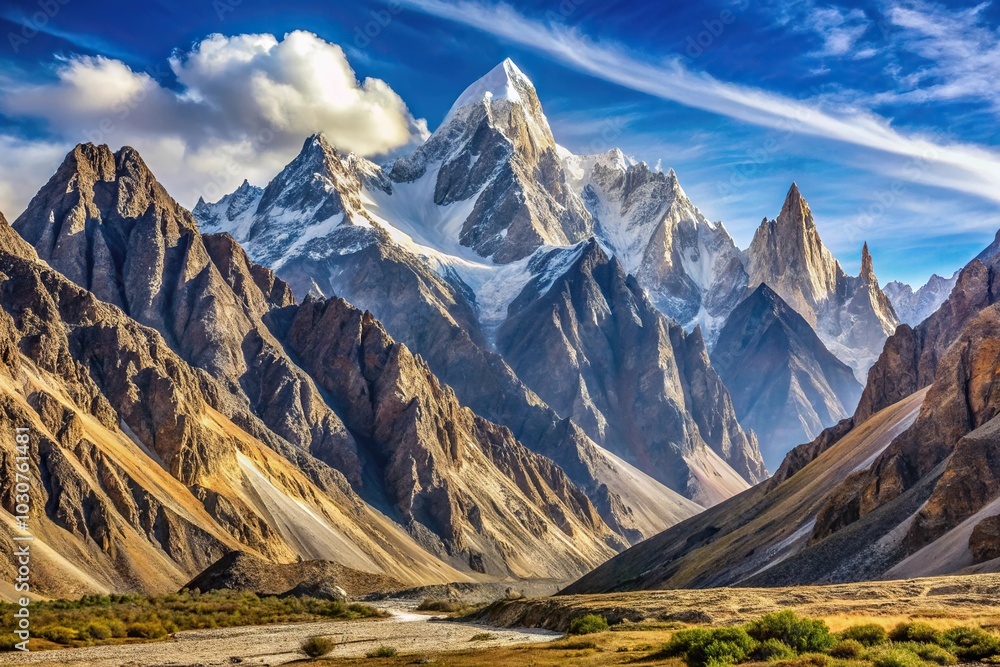
How many peaks in Pakistan are above 8000 meters?
The 8000m Peaks in Pakistan
1. K2 (Mount Godwin-Austen)
Elevation: 8,611 meters (28,251 feet)
K2, also known as Mount Godwin-Austen, is the crown jewel of Pakistan’s eight-thousanders. It is the second-highest mountain in the world, surpassed only by Mount Everest. K2 is renowned for its steep and challenging ascent, earning it the nickname “Savage Mountain.” Climbers must navigate treacherous ice and rock, making K2 one of the most difficult peaks to conquer. Despite its challenges, K2 continues to captivate mountaineers with its majestic beauty and formidable presence.
2. Nanga Parbat
Elevation: 8,126 meters (26,660 feet)
Nanga Parbat, often referred to as the “Killer Mountain,” is another prominent eight-thousander in Pakistan. Located in the Gilgit-Baltistan region, it is the ninth-highest peak in the world. Nanga Parbat is known for its dramatic Rupal Face, one of the tallest mountain faces on the planet. The mountain’s name, which means “Naked Mountain,” reflects its stark and exposed terrain. Climbers attempting Nanga Parbat must contend with severe weather conditions and the risk of avalanches.
3. Gasherbrum I (Hidden Peak)
Elevation: 8,080 meters (26,509 feet)
Gasherbrum I, also known as Hidden Peak, is the eleventh-highest mountain in the world. It is part of the Gasherbrum massif, located in the Karakoram Range. The name “Hidden Peak” originates from its position behind other prominent peaks in the massif, making it less visible from afar. Gasherbrum I offers a challenging ascent, characterized by steep ice and rock faces. It remains a popular destination for experienced climbers seeking to test their skills.
4. Broad Peak
Elevation: 8,051 meters (26,414 feet)
Broad Peak is the twelfth-highest mountain globally and is named for its extensive summit ridge, which spans over 1.5 kilometers (0.93 miles) in length. The peak is located near K2 in the Karakoram Range, making it a part of the same breathtaking mountainous landscape. Broad Peak is known for its relatively broad summit, which provides climbers with spectacular panoramic views of the surrounding peaks and glaciers.
5. Gasherbrum II
Elevation: 8,035 meters (26,362 feet)
Gasherbrum II, the thirteenth-highest peak in the world, is another gem in the Gasherbrum massif. It is often considered one of the more accessible eight-thousanders, though it still presents significant challenges to climbers. Gasherbrum II’s ascent involves navigating crevasses, steep ice slopes, and unpredictable weather conditions. The mountain’s name, which means “Shining Wall,” reflects the glistening ice and snow that adorn its slopes.
Climbing and Exploration
Climbing these eight-thousanders is a monumental achievement that requires physical endurance, technical skills, and mental resilience. Expeditions to these peaks often involve weeks of acclimatization, navigating complex routes, and enduring harsh weather conditions. Despite the risks, the allure of standing atop these colossal summits continues to draw climbers from around the world.
In addition to the challenge of climbing, these peaks are also significant for their scientific and geological importance. Researchers study the glaciers, rock formations, and ecosystems of these mountains to gain insights into the Earth’s climate and geological history.
Cultural and Ecological Significance
The eight-thousanders of Pakistan are not only remarkable for their height and climbing challenges but also for their cultural and ecological significance. The regions surrounding these peaks are home to diverse communities with rich cultural traditions and unique ways of life. The mountains hold spiritual and cultural importance for the local populations, and their glaciers provide essential freshwater resources for the surrounding areas.
The biodiversity of the Karakoram Range is another aspect of its ecological significance. The region supports a variety of plant and animal species, including several endangered species such as the snow leopard and the Himalayan ibex. The conservation of these ecosystems is crucial for maintaining the natural beauty and ecological balance of the region.
In conclusion, Pakistan is home to five of the world’s fourteen eight-thousanders, each offering its own unique challenges and breathtaking beauty. These towering peaks, located in the Karakoram Range, stand as a testament to the awe-inspiring power of nature and the indomitable spirit of human exploration. Whether you’re a mountaineer seeking the ultimate challenge or an admirer of natural wonders, the eight-thousanders of Pakistan provide an unparalleled experience of adventure, beauty, and significance. Their cultural, ecological, and geological importance make them not only iconic landmarks but also invaluable treasures of our planet.
Source: To ensure the accuracy and authenticity of the information provided, the following sources were referenced:
- Eight Thousand Meter Peaks in Pakistan – Summit Post
- List of mountains in Pakistan – Wikipedia