Excerpt: This post answers the questions “How big is the Mangroves Forest of Sindh Pakistan? What is the size Mangroves Forest of Sindh Pakistan? How large is the Mangroves Forest of Sindh Pakistan in terms of area?”
Mangroves are unique coastal ecosystems that thrive in tropical and subtropical regions around the world. These fascinating forests are vital for the environment and provide numerous benefits to both wildlife and humans. One of the most significant mangrove forests can be found in the province of Sindh, Pakistan. In this blog post, we will explore the size and importance of the Mangroves Forest of Sindh, Pakistan.
How big is the Mangroves Forest of Sindh Pakistan?
The Mangroves Forest of Sindh, Pakistan, primarily located in the Indus Delta, is one of the largest arid climate mangroves in the world. Spanning an impressive area of approximately 600,000 hectares (about 1.48 million acres/60,000 Square Kilometers), these mangroves play a crucial role in maintaining the ecological balance of the region. It is also believed to be the world’s biggest dry-climate mangroves.
The vast expanse of this forest not only supports a diverse range of flora and fauna but also provides essential services to local communities and the environment.
What is a Mangrove Forest?
Mangrove forests are coastal woodlands that consist of salt-tolerant trees and shrubs. These unique ecosystems are found in tidal zones, where seawater meets freshwater, and are characterized by their dense and intricate root systems. Mangroves play a vital role in protecting coastlines from erosion, reducing the impact of storms, and providing habitats for various marine and terrestrial species. Additionally, they act as natural carbon sinks, sequestering large amounts of carbon dioxide and helping mitigate climate change.
Sindh Mangroves Forest of Pakistan
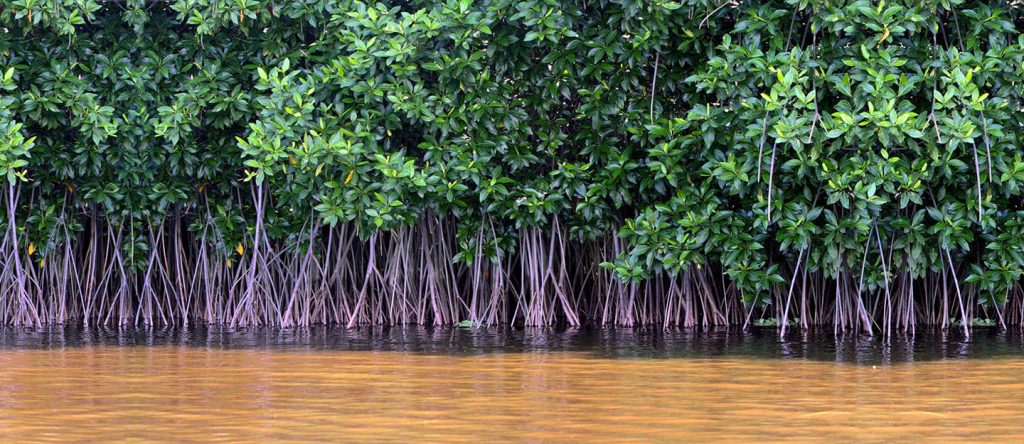
Location and Extent
The Mangroves Forest of Sindh is primarily situated in the Indus Delta, a vast region where the Indus River meets the Arabian Sea. This area is known for its rich biodiversity and unique ecological features. The mangroves in Sindh cover an extensive area of approximately 600,000 hectares, making it one of the largest arid climate mangroves in the world.
Ecological Importance
The Sindh mangroves are of immense ecological importance. They provide critical habitats for a wide range of species, including various fish, birds, and invertebrates. These mangroves serve as nurseries for many commercially important fish species, contributing to the livelihoods of local fishing communities. The dense root systems of mangrove trees help stabilize the coastline, prevent erosion, and reduce the impact of storms and tidal surges.
Biodiversity
The Mangroves Forest of Sindh is home to a diverse array of flora and fauna. The dominant tree species in this forest include Avicennia marina, Rhizophora mucronata, and Ceriops tagal. These trees are well adapted to the saline and waterlogged conditions of the region. The mangroves also support a variety of bird species, such as herons, egrets, and flamingos, as well as numerous marine species, including crabs, shrimps, and mollusks.
Conservation Efforts
Given the ecological significance of the Sindh mangroves, various conservation efforts have been undertaken to protect and restore these valuable ecosystems. Organizations such as the Sindh Forest Department, WWF-Pakistan, and IUCN have been actively involved in mangrove conservation projects. These efforts include reforestation initiatives, community-based management programs, and raising awareness about the importance of mangroves. Additionally, the government has implemented policies to regulate activities that could harm the mangroves, such as logging and land reclamation.
Economic and Social Benefits
The Mangroves Forest of Sindh provides numerous economic and social benefits to local communities. The mangroves support fisheries, which are a vital source of income and food for many coastal inhabitants. The forest also offers opportunities for ecotourism, attracting visitors interested in birdwatching, boating, and exploring the unique mangrove ecosystems. Furthermore, mangroves contribute to the overall well-being of communities by providing resources such as timber, fuelwood, and medicinal plants.
Challenges and Threats
Despite their importance, the Sindh mangroves face several challenges and threats. Human activities such as deforestation, pollution, and land reclamation have led to the degradation of these valuable ecosystems. Climate change, with its associated rise in sea levels and increased frequency of extreme weather events, also poses a significant threat to the mangroves. Efforts to address these challenges include stricter enforcement of conservation policies, sustainable management practices, and community involvement in conservation initiatives.
The Mangroves Forest of Sindh, Pakistan, is a remarkable and vital ecosystem that plays a crucial role in maintaining the ecological balance of the region. With its vast expanse and rich biodiversity, this forest provides essential services to both the environment and local communities. Conservation efforts are essential to protect and preserve these valuable mangroves for future generations. By understanding the importance of mangroves and supporting initiatives to safeguard them, we can ensure the continued health and resilience of this unique coastal ecosystem.
Source: To ensure the accuracy and authenticity of the information provided, the following sources were referenced:
- Mangroves – SINDH FOREST DEPARTMENT
- Mangroves – Living Indus
- Indus River Delta–Arabian Sea mangroves – Wikipedia
- Mangroves – Sindh Forest Department